Taking care of organic fabrics and textiles like inabel, binakol, or t’nalak is almost like tending to a long-term project—it calls for commitment, careful handling, and appreciation for the craft behind them.
By Mabuhay Studio
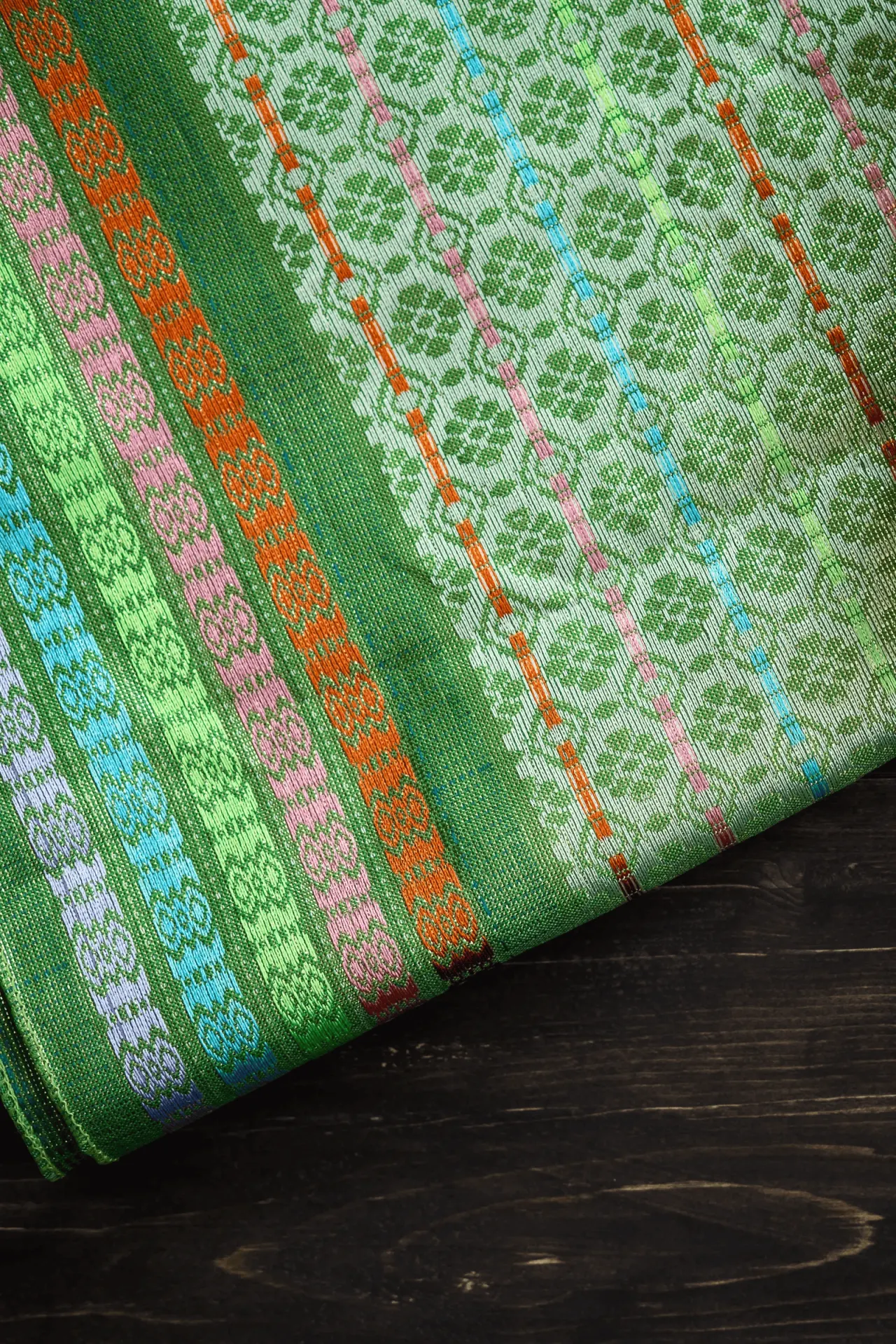
Taking care of organic fabrics and textiles like inabel, binakol, or t’nalak is almost like tending to a long-term project—it calls for commitment, careful handling, and appreciation for the craft behind them. In the Philippines, these textiles are woven into daily life and cultural identity. Inabel from Ilocos is often turned into blankets, apparel, and home linens. There is also T’nalak from South Cotabato, which is traditionally used in rituals, weddings, and community gatherings.
These fabrics aren’t just materials; they are living narratives passed from one generation to the next. Here's how you can make them last longer:
1. Opt for a gentle hand wash
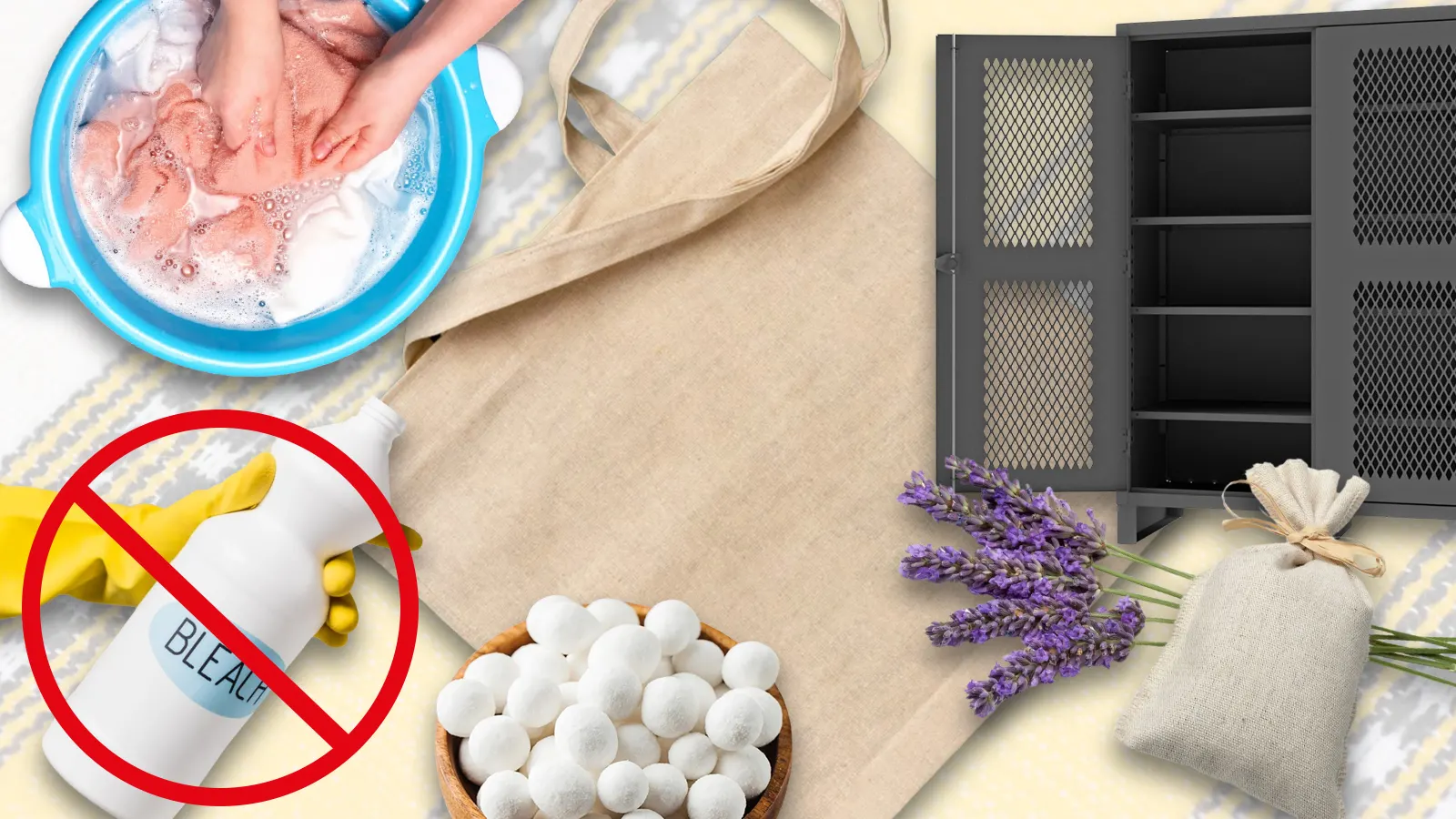
Organic fabrics are naturally delicate and tend to wear out faster when exposed to harsh washing methods. That’s why a gentle hand wash is always your safest bet. A mild soap and cool water are usually all you need. Skip bleach and fabric softeners since they can strip color and weaken the fibers. Make sure to turn garments inside out, and don’t brush or scrub, just give them a light swirl and let the water do most of the work.

2. Avoid bleach, even for stubborn stains
Bleach might feel like an easy solution, but it can distort colors, weaken threads, and erase the intricate details that make handwoven textiles special. Stick to spot-cleaning using diluted mild soap or natural stain remedies that won’t compromise the fabric. Avoid strong chemicals at all costs—gentle care will help your textiles stay strong and beautiful for years without turning brittle.
3. Air-dry on a flat surface
Drying your textile flat is one of the simplest ways to preserve its shape. This is especially important for lightweight pieces like inabel blankets, which can stretch when hung, or woven textiles that may warp under their own weight while wet. Lay them on a clean, flat surface and let the air do the drying naturally. It’s low effort and keeps the weave looking crisp.
4. Protect from pests (your textiles will thank you)
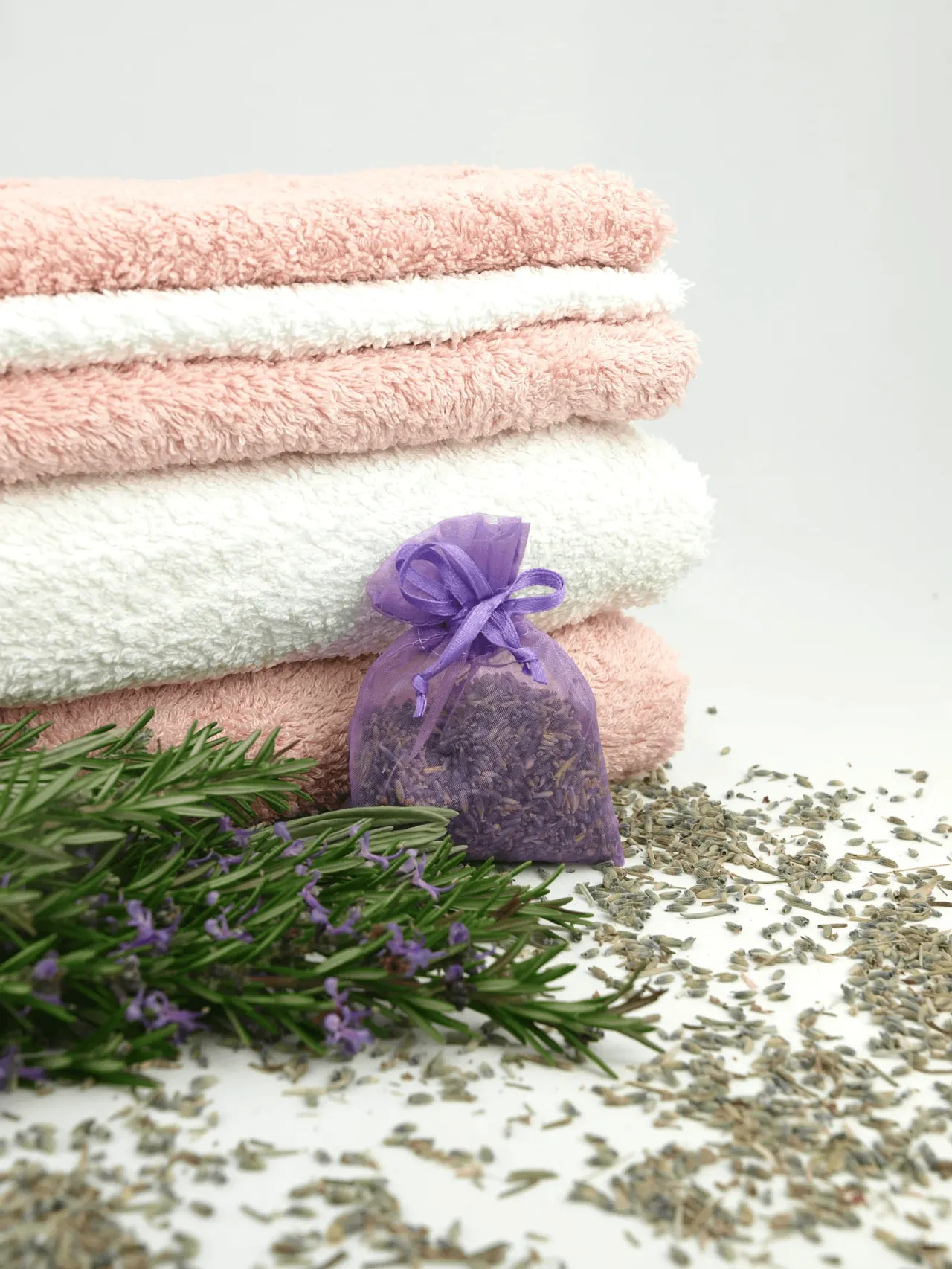
Natural fibers can easily attract clothing moths when left in storage without protection. Lavender sachets are a practical fix—they repel pests and give your storage space a soft, pleasant scent.
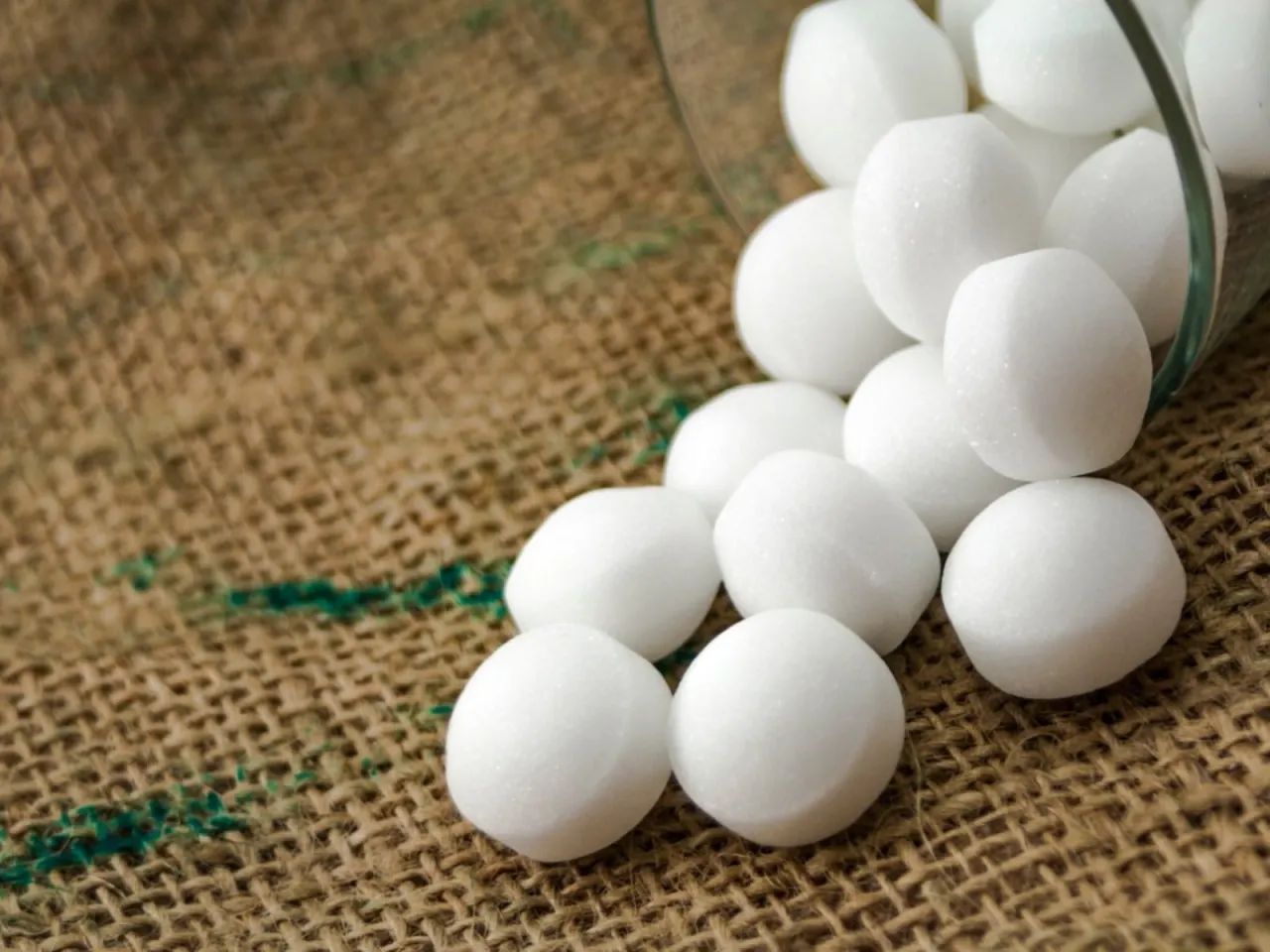
Mothballs are also an option and are readily available in most supermarkets. Place them inside your storage areas to help protect the fabric and control moisture at the same time.
5. Store in a cool, dry place
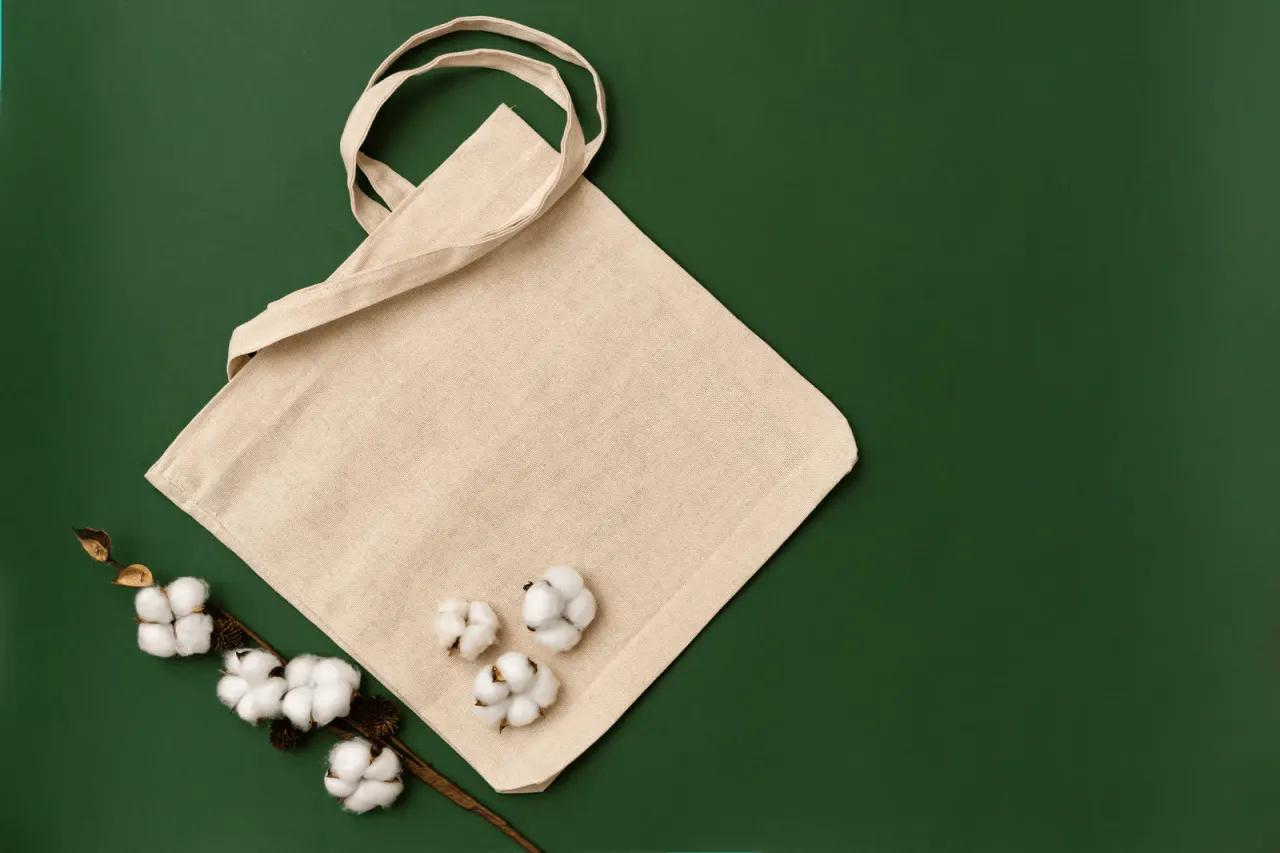
Humidity is one of the quickest ways to ruin organic fabrics since it can cause mold growth and discoloration over time. Opt for breathable storage like cotton bags, muslin covers, or neatly folded stacks inside ventilated cabinets. Keep your textiles away from damp corners so the fibers stay fresh and dry.

Other Related Articles: