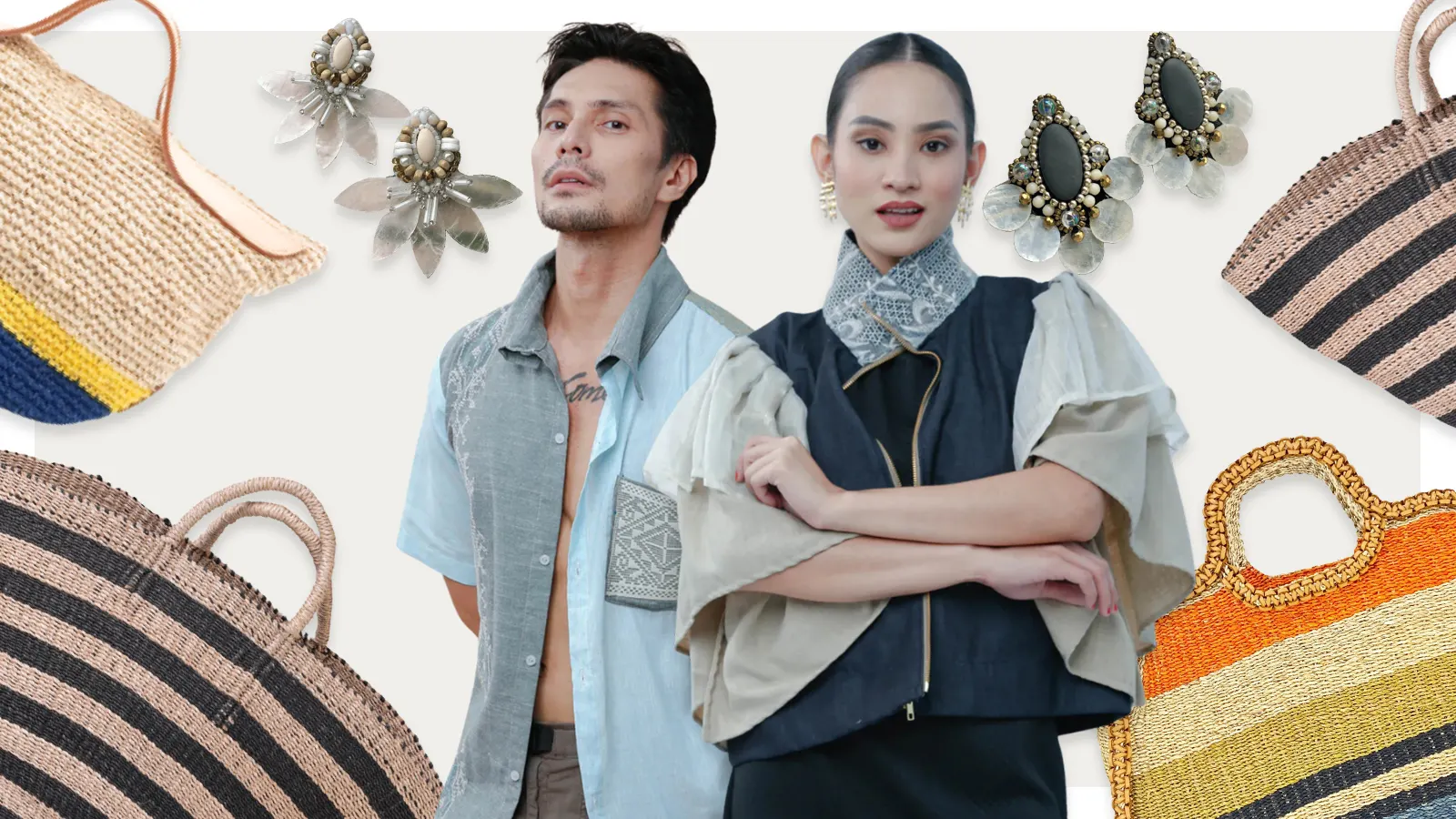
While refreshing your closet with new fashion finds each season can feel exciting, the reality is that the environment often pays the highest price.
By Mabuhay Studio
While refreshing your closet with new fashion finds each season can feel exciting, the reality is that the environment often pays the highest price.
According to the United Nations Environment Programme, around 92 million tonnes of textile waste are generated each year globally, contributing to roughly 11% of plastic waste. This growing volume places a serious strain on waste management systems and worsens pollution worldwide.
That’s why choosing what we wear and use should come with intention. Being mindful of materials is not just about making smarter purchases; it’s also about reducing impact and supporting more responsible production. If you’re looking to shop with purpose, here are three organic Filipino materials every fashion and design lover should know.
1. Piña Fibers
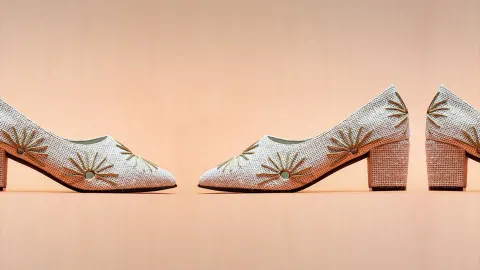
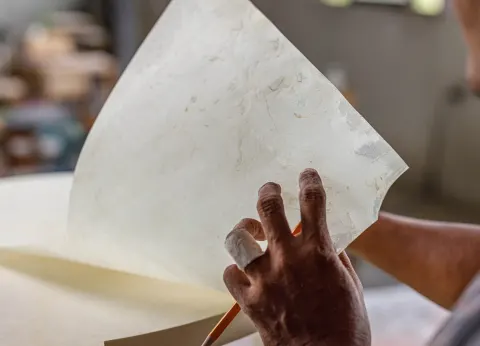
Long before linen became the go-to fabric for humid climate, piña fiber was already setting the standard. Traditionally used in the Barong Tagalog and the Baro’t Saya, piña is made from pineapple leaves. The process is meticulous and labor-intensive: the green outer layer of the leaf is carefully scraped to extract the fine fibers underneath. According to the Philippine Folklife Museum Foundation, it can take 15 to 20 days just to warp enough yarn to produce one sucod—roughly 18 to 20 bucos, or about 54 to 60 meters of cloth.
Aklan is known as the oldest center of piña weaving, long before the tradition spread to provinces like Palawan and Negros Oriental. What makes piña fibers important is how it contrasts with modern synthetic fabrics. Unlike polyester, which traps heat and relies on fossil fuels, piña fibers are lightweight, breathable, and naturally sustainable. They soften with time, age beautifully, and are fully biodegradable.
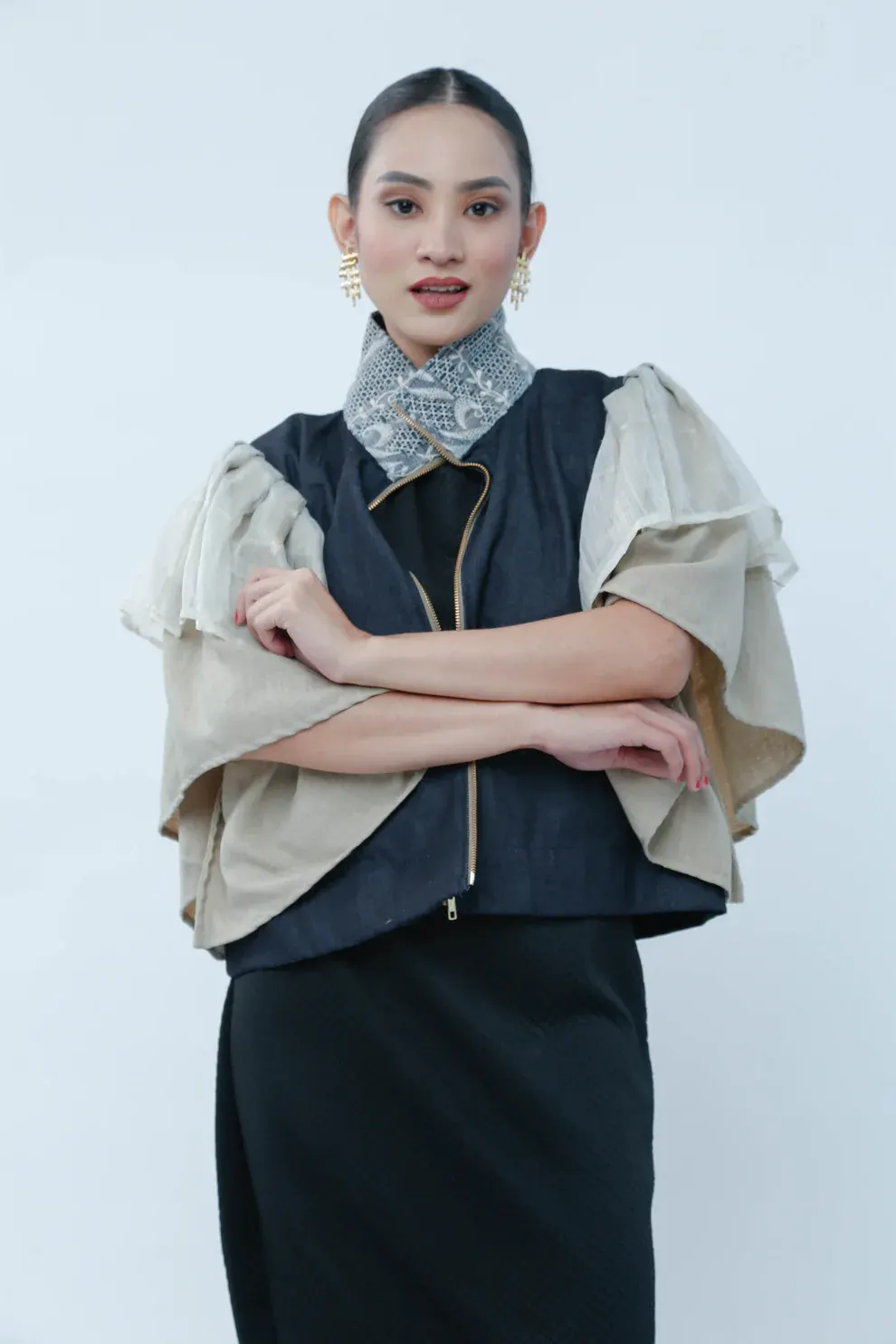
Gantimpala in Black with Piña Calado Collar by Pinas Sadya
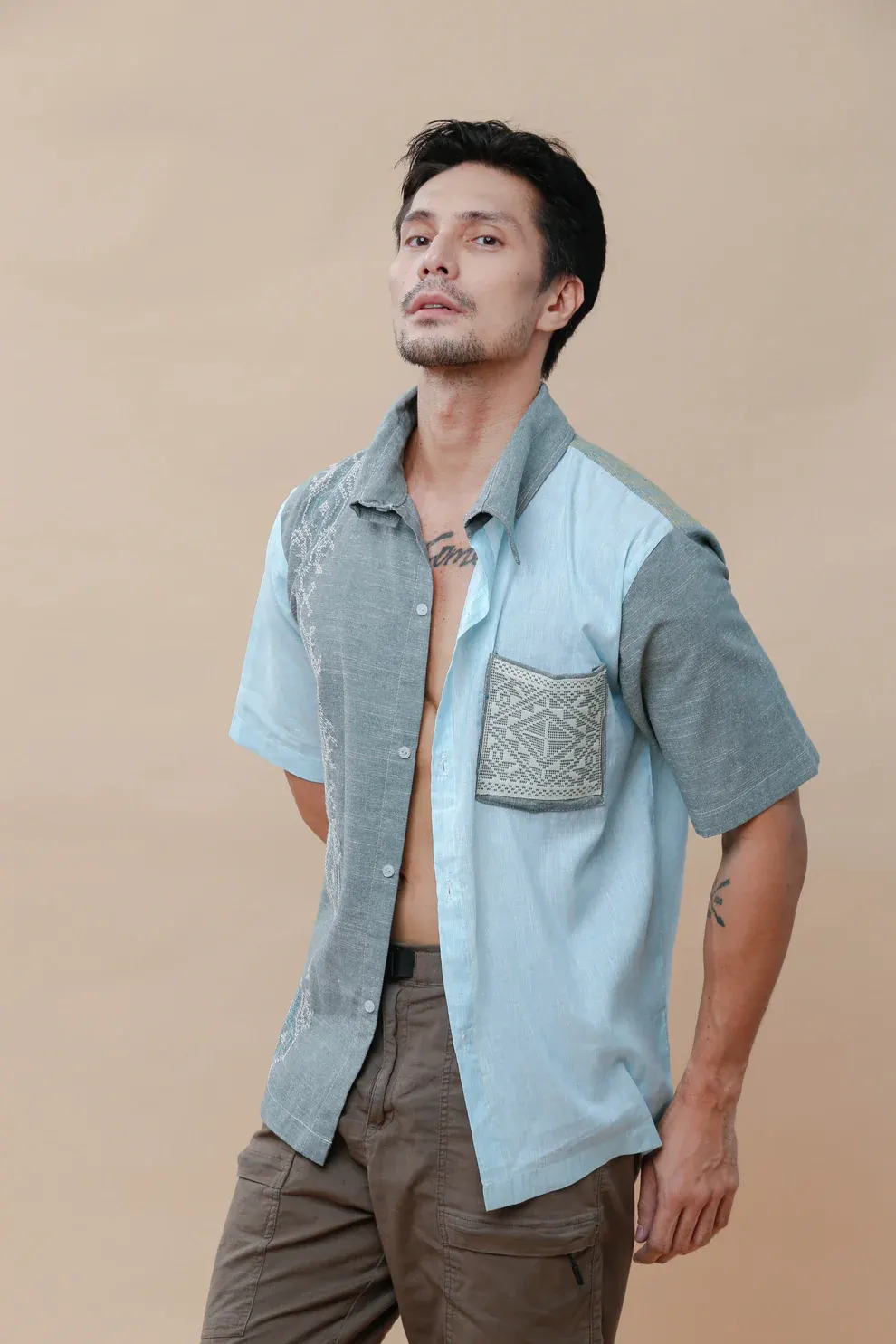
Pambato men's polo with Tboli embroidery by Pinas Sadya
2. Abaca
Abaca, also known as Manila Hemp, is celebrated not just for its sustainability but also for the livelihoods it supports across the country. According to the Department of Agriculture’s Philippine Fiber Industry Development Authority (PhilFIDA), about 87 percent of the world’s abaca supply comes from the Philippines, sustaining nearly 200,000 farming families across 56 provinces. Its long-term impact stands in sharp contrast to synthetic textiles that contribute heavily to pollution and waste.
Traditionally used in furniture, rugs, and home accessories, abaca has steadily found its way into fashion and design. Today, designers are transforming its strong yet flexible fibers into handbags, footwear, hats, and even clothing. Its natural sheen and durability make it ideal for statement accessories that age well over time.
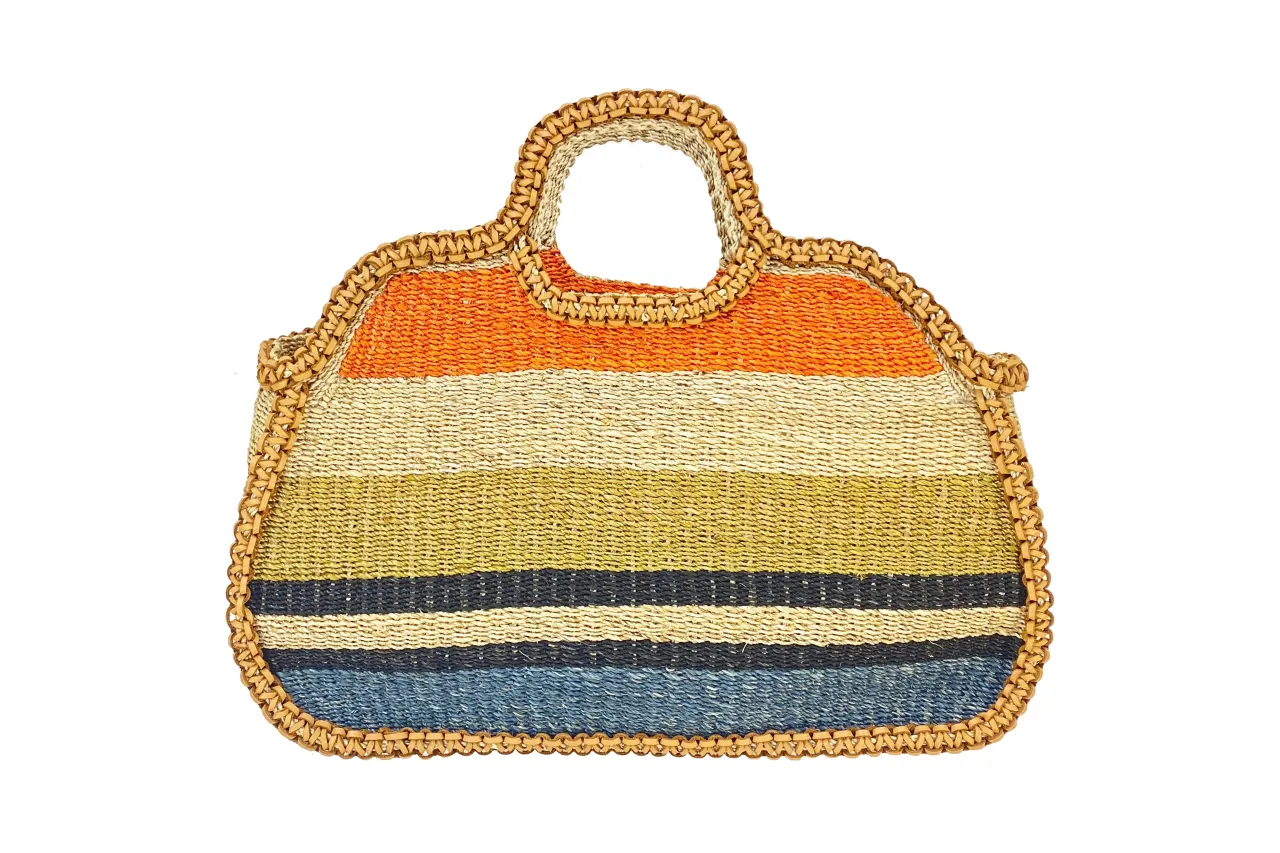
Trenzo stripes multibright tote by Aranaz
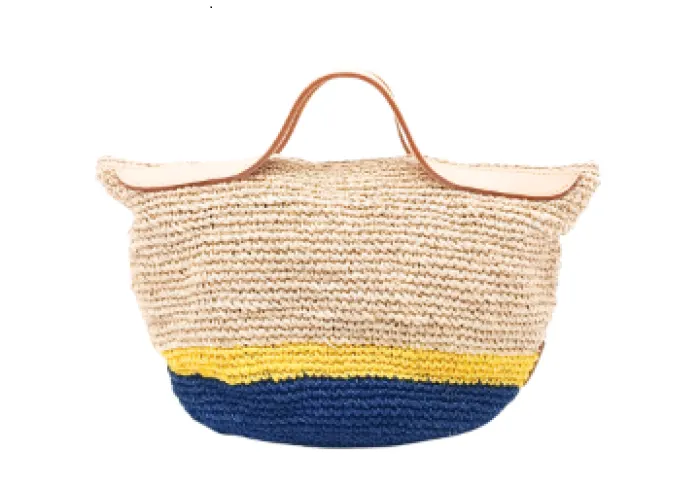
Colorblock tote bag by ikot
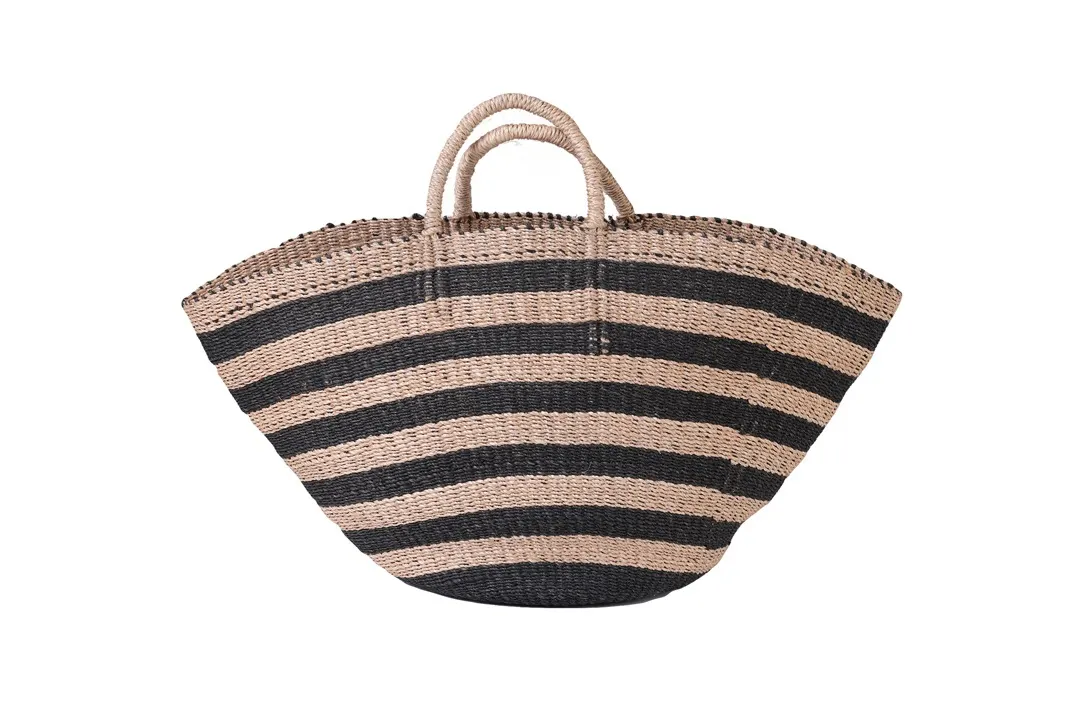
Abaca tote by Orient Meadow
3. Capiz Shells
Skip the acrylic that ends up in landfills—Capiz shells offer a sustainable, stylish alternative. Traditionally used in furniture, window panes, and homewares, capiz shells are now making their way into clothing and jewelry, too.
Capiz comes from the exoskeleton of a mollusk. As Destarte Prieto notes in “Capiz Reborn: Preserving and Enhancing Traditional Philippine Shellcraft,” its use in the Philippines dates back to the Spanish colonization in the mid-1500s, often serving as a glass substitute in churches and homes. Today, Capiz continues to be a versatile material, combining elegance with a low environmental footprint—perfect for sustainable design and fashion.
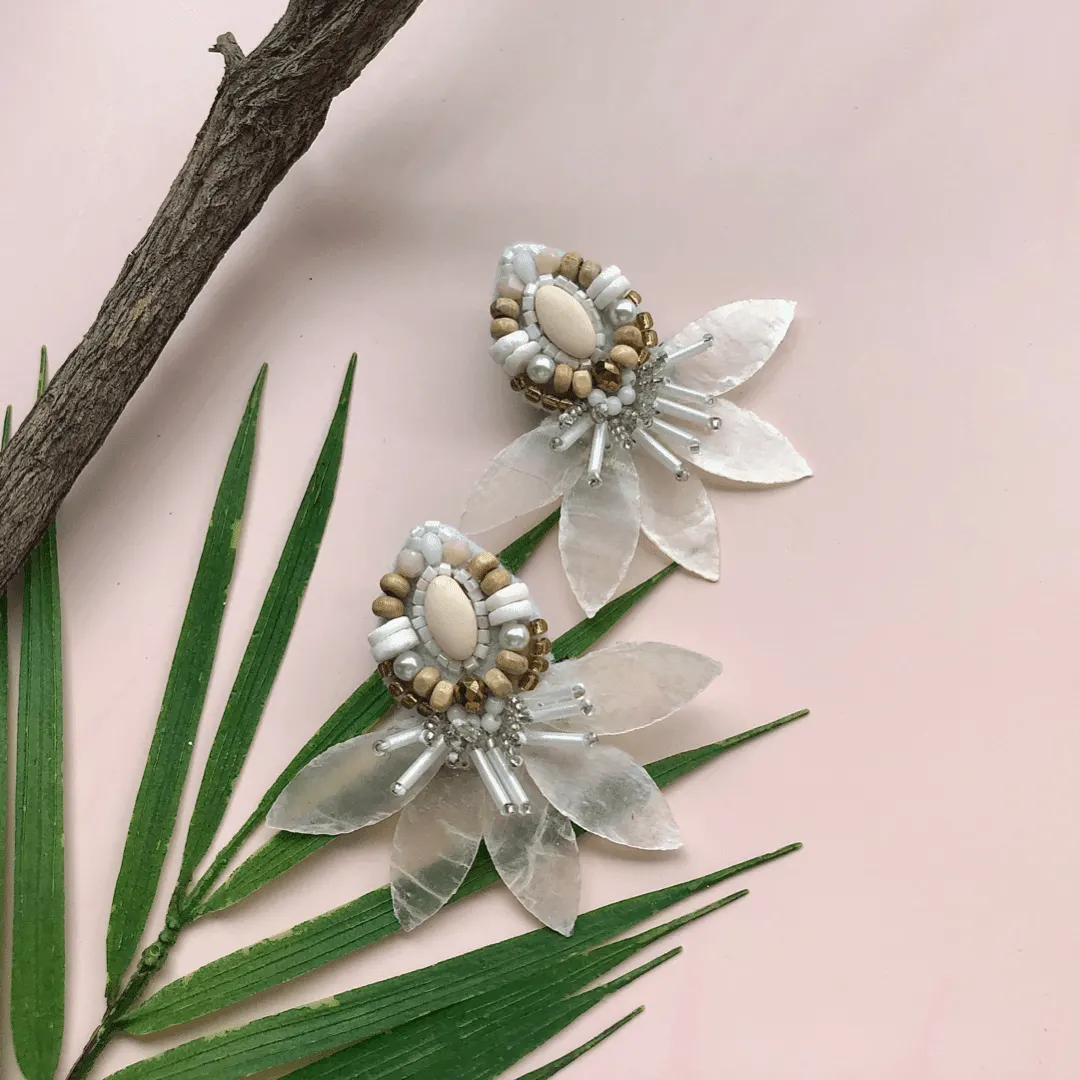
Marianna capiz shell earrings by Boho Manila
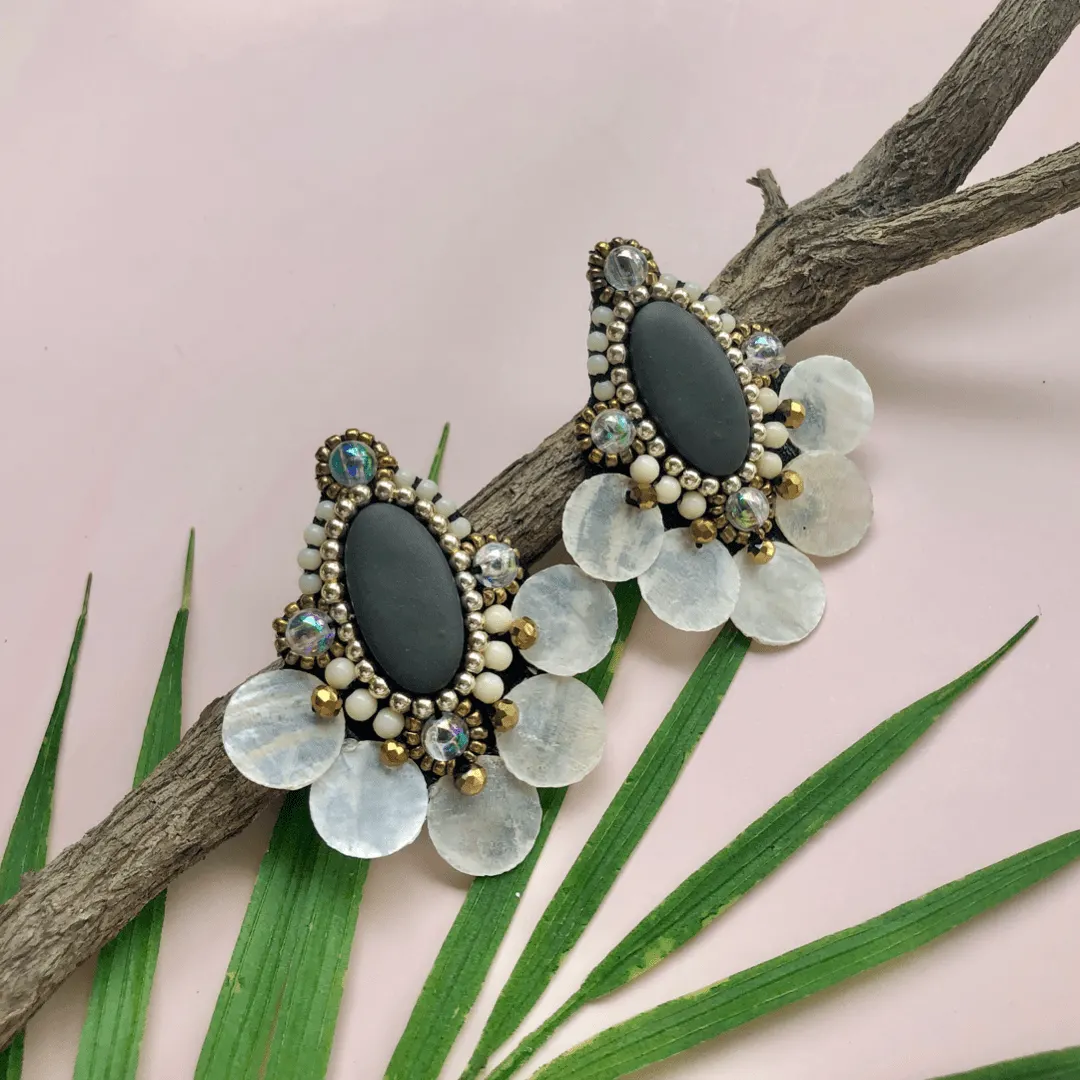
Kasilya midnight capiz shell earrings by Boho Manila
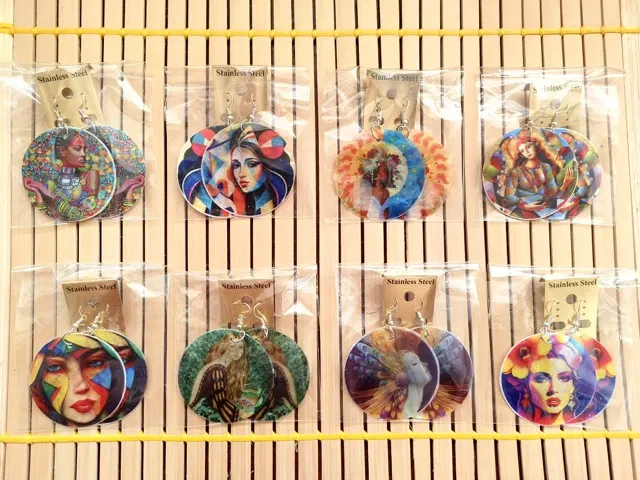
Capiz shell earrings by Lovely Finds
It’s true that fashion and design don’t have to cost a fortune—and that goes for both your wallet and the planet.
Other Related Articles: