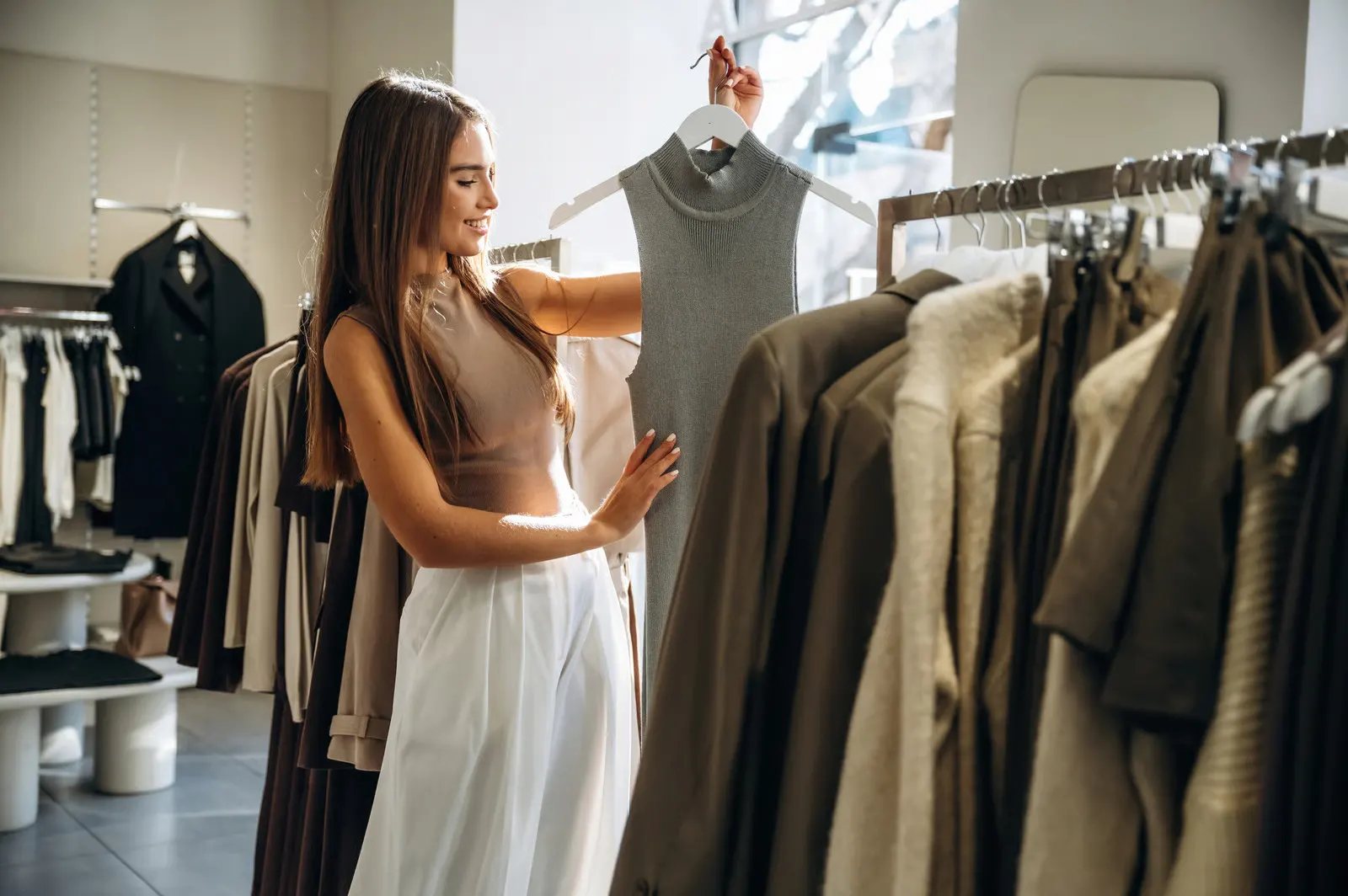
Slow fashion isn’t just a trend; it’s a lifestyle and a commitment to the environment and to yourself.
By Mabuhay Studio
Whether or not you love fashion, did you know that you’re wearing less than what you actually purchased? According to Pareto, only 20% of your wardrobe gets worn often.
“We own so much yet wear so little of what we own. In the process of building our wardrobes, we're forced to sift through hundreds of brands and styles, often leaving us with pieces that don’t fit well, don't last for long, are based on a fleeting trend, or we don’t know how to style," Olivia Bordson, co-founder of Pareto, explained.
With all the seasonal releases and monthly sales, keeping up with fashion trends can feel exhausting and take a toll on both your wallet and the environment. That’s why slow fashion is slowly gaining traction—not just as a way to save money, but as a sustainable lifestyle. Here’s how you can start practicing it (without the overwhelm):
1. Pick a brand that resonates with your values (and your taste)
Transitioning to slow fashion doesn’t have to happen overnight. It takes time, and it’s important to be patient with yourself. Start by curating brands that align with your values and suit your personal style—because let’s be honest, not every clothing store carries the pieces we truly love.
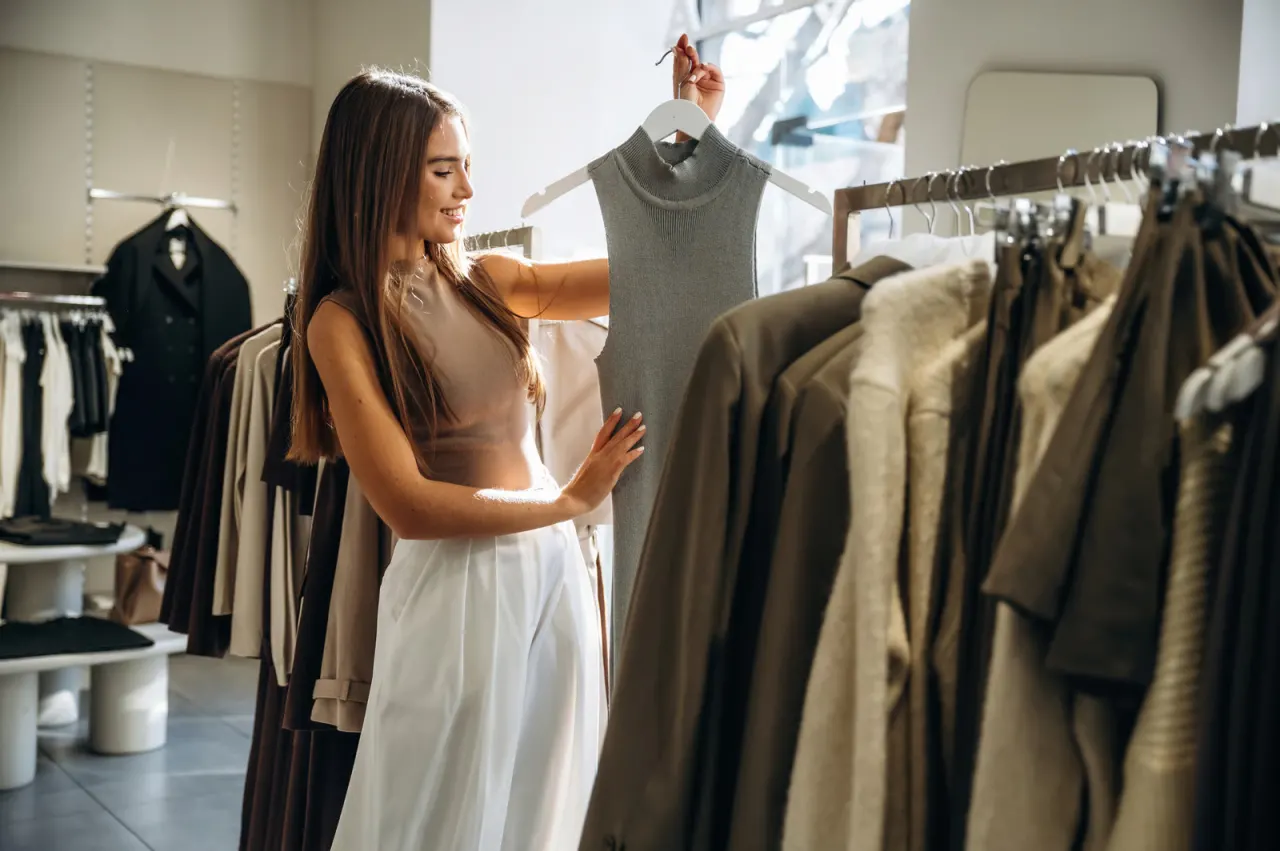
Make a list of brands you admire and think you can shop from over the next 2 to 5 years, and stick to them. It’s equally important to choose stores with meaningful values—brands that take sustainability, cruelty-free practices, and ethical production in mind. Look for brands that don’t just make clothes to sell but aim to contribute to a greater good.
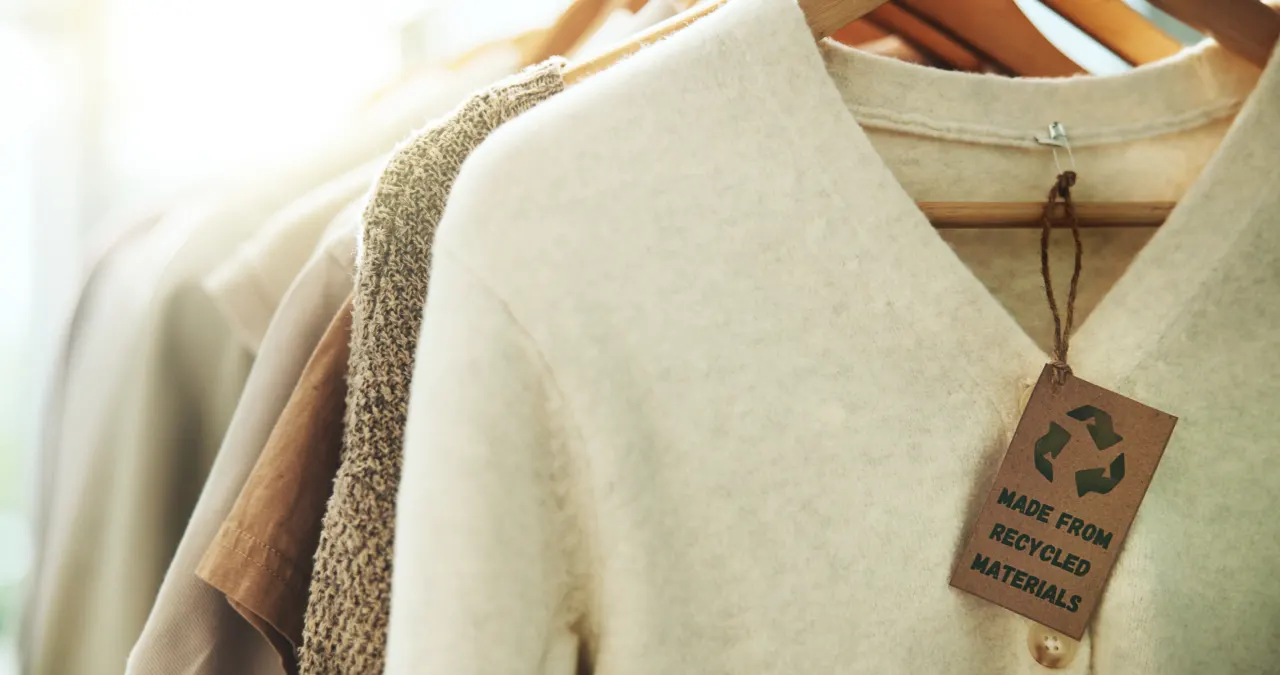
2. Invest in good quality pieces
Slow fashion isn’t just a trend; it’s a lifestyle and a commitment to the environment and to yourself. It’s about detaching your sense of worth from the number of clothes you own and instead feeling good about the pieces you have. The best way to do this is by investing in high-quality items that stand the test of time and seasons.
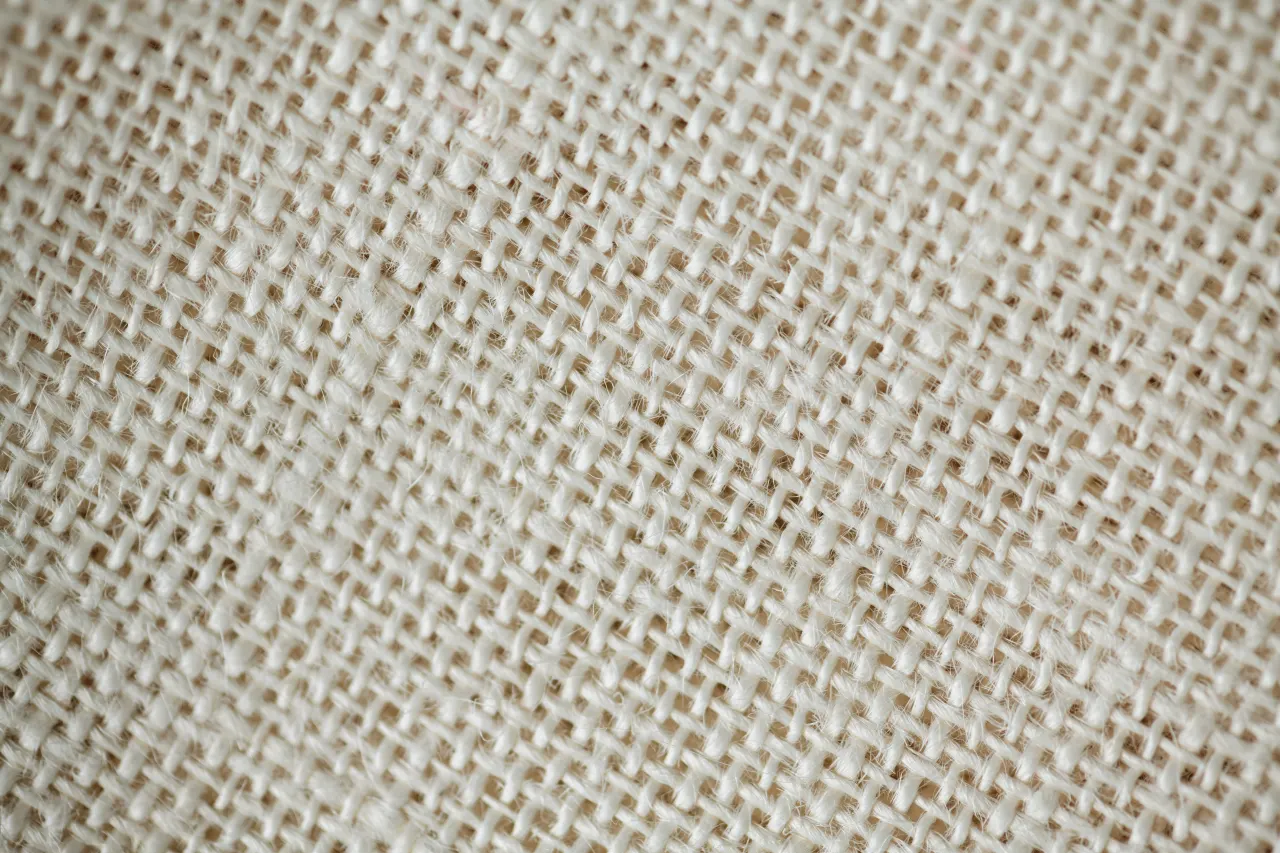
Rather than following every trend or buying every new design or color, spend your money wisely on durable pieces. While they may cost more than fast fashion, they’ll last longer and reduce the need for constant replacements.
3. Be intentional with your purchases
Intentionality is key to slow fashion. You don’t need to splurge on every seasonal sale. You don’t need the same shirt in every color. And you don’t have to buy every design, especially if it doesn’t fit your style. Slow fashion is about breaking free from too much consumerism and being content with what you have because you’re buying clothes for a purpose.
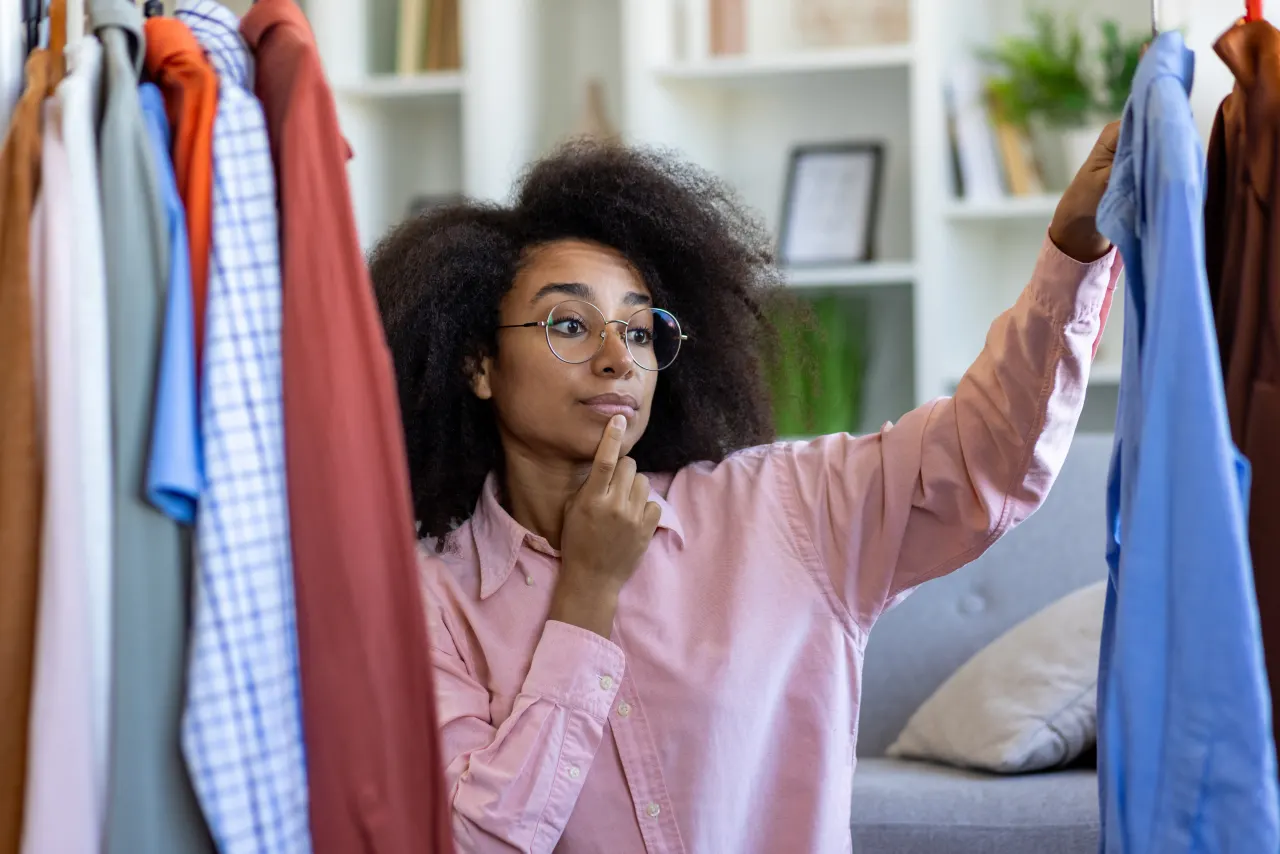
Before making a purchase, ask yourself: Will I still wear this in the next few years? How often will it be in my closet? How many times will I wear it? By being thoughtful and deliberate, you not only build a wardrobe that lasts but also contribute to a more sustainable and mindful fashion culture.
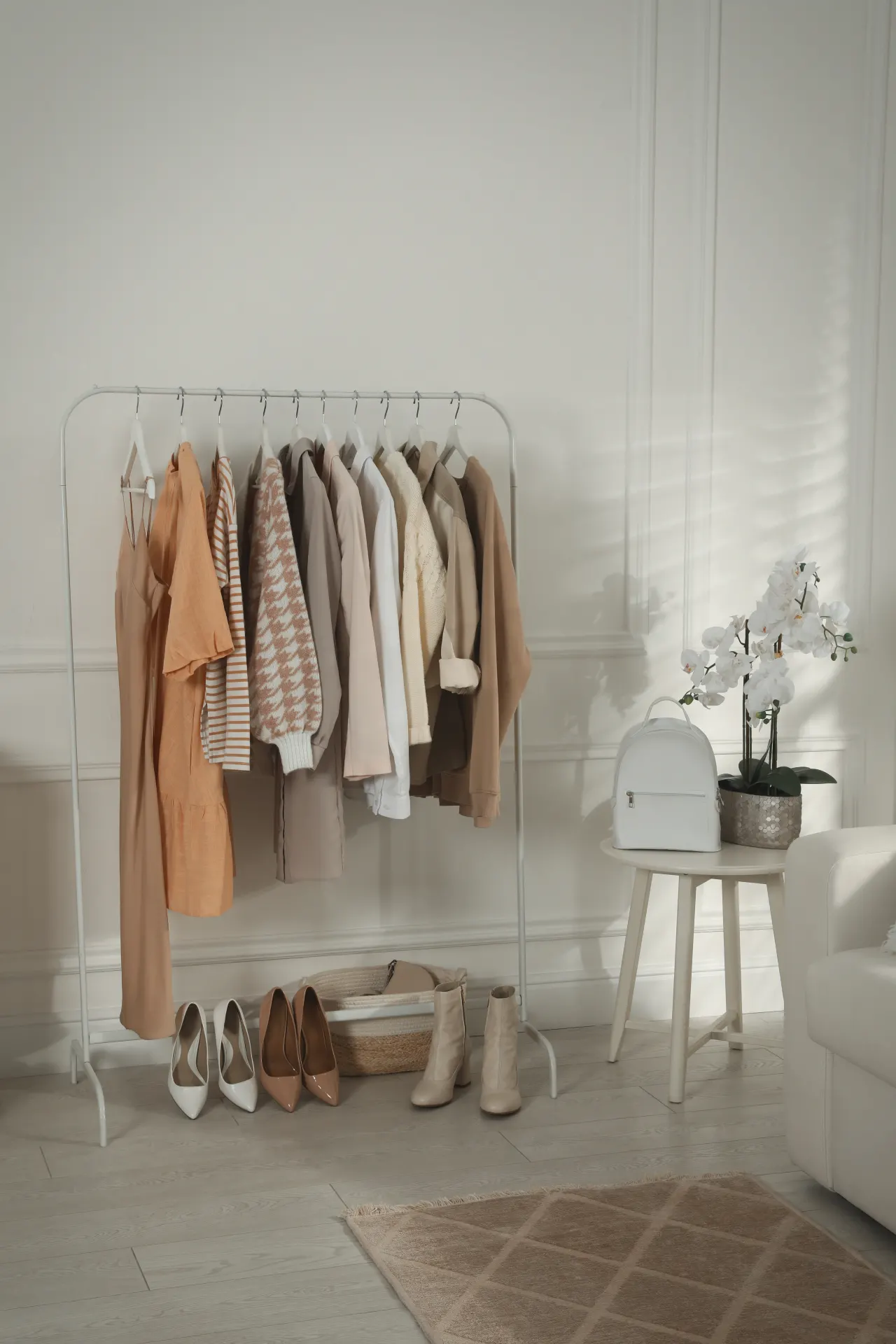
4. Discipline is key
“I deserve this”—it’s a phrase many of us use to justify a splurge. And while it’s true that we deserve to treat ourselves, we don’t deserve to waste our hard-earned money on items that are superficial or short-lived. Often, these purchases bring only a fleeting sense of satisfaction before they end up forgotten in the back of our closets (or landfills).

Starting your journey into slow fashion begins with cultivating small, intentional habits. For example, try limiting your time scrolling through fashion catalogues or social media feeds, which are often designed to make something new. Similarly, avoid window shopping without a clear plan. Only browse stores when you know exactly what you need and why.
Slow-fashion journey is not an overnight process
What makes transitioning to slow fashion powerful is that change doesn’t have to be immediate to be meaningful. Every intentional choice, no matter how small, moves the industry forward—toward better materials, more thoughtful production, and a deeper respect for what we wear and why we wear it. Sustainability is not about perfection, but persistence. And with every step, fashion becomes not just more responsible, but more purposeful, creative, and enduring.
Other Related Articles: