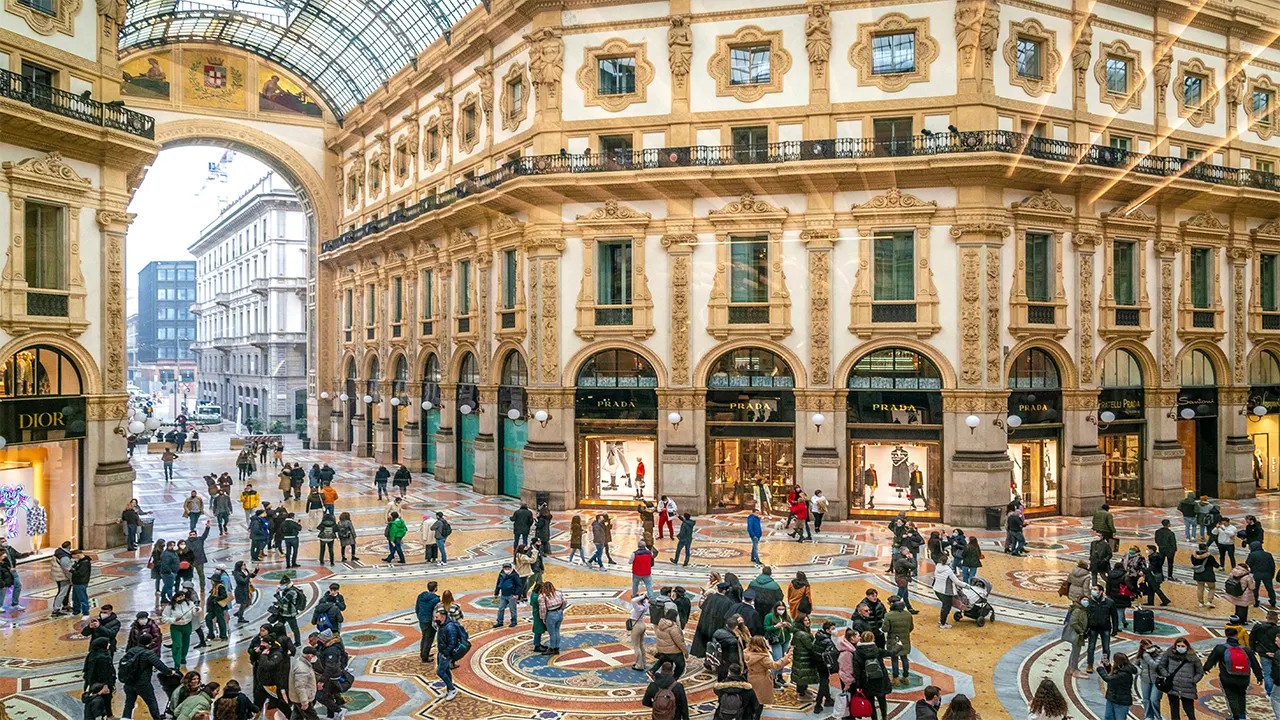
Given the success of the Philippines’ first solo fashion exhibition during Milan Fashion Week last year, courtesy of the Center for International Trade Expositions and Missions’ (CITEM) FASHIONPhilippines in Milan program, building on that entry is a risk
By September Grace Mahino
Given the success of the Philippines' first solo fashion exhibition during Milan Fashion Week last year, courtesy of the Center for International Trade Expositions and Missions' (CITEM) FASHIONPhilippines in Milan program, building on that entry is a risk that's worthwhile for the local fashion industry to take. Aside from the global exposure offered by its signature fashion event, Italy has a vibrant retail network that can bolster the global profile of Filipino brands and designers. Even leveraging the European country's fashion e-commerce market can already be rewarding if done correctly, since it is estimated to be worth €6 billion already and expected to grow even more.
An East-West intersection of heritage and artisanship
Among the "Big Four" in fashion, Milan has the distinction of being the capital that honors artisanal tailoring and textile techniques. Craftsmanship and innovative textile production are often central concepts in every trend that comes out of Milan Fashion Week, interpreted primarily through glamorous, ready-to-wear collections, as opposed to Paris' focus on haute couture, London's avant-garde gloss, and New York's urban polish.
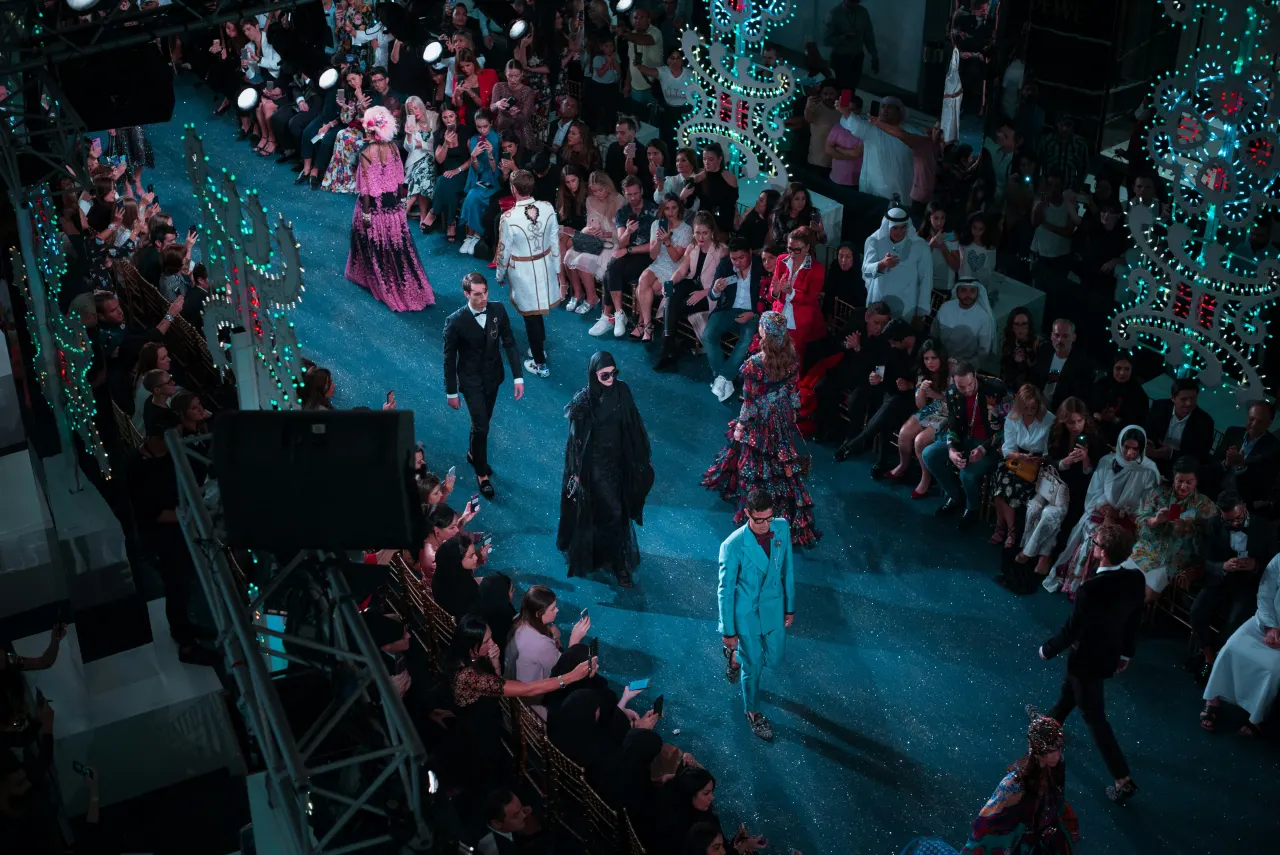
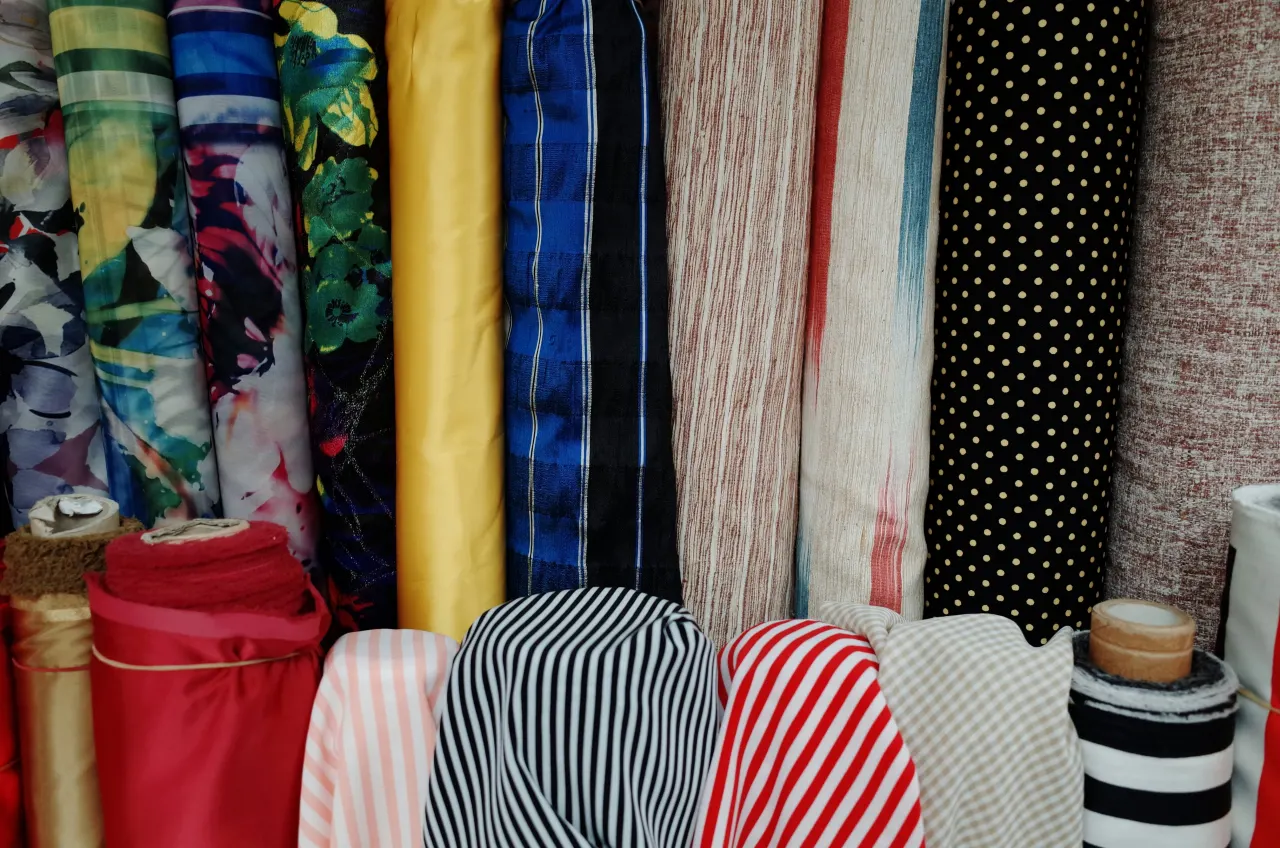
Milan’s fashion industry was built on the Italian city’s long history of textile innovation and trade. This is why Milan Fashion Week is distinct for its focus on glamorous, ready-to-wear collections. Images courtesy of Unsplash.com.
The premium that Milan puts on luxurious fabrics and precise tailoring is rooted in its history as a textile industry hub since as early as the Renaissance era, when it attracted and fostered skilled artisans and hosted workshops that drove innovation and trade. This is why the Italian city became home to some of the global fashion industry's most successful brands: Gucci, Giogio Armani, Salvatore Ferragamo, Valentino, Prada, Dolce & Gabbana, to name a few. Some of these labels are even celebrated for their family-led heritage, such as Versace, Fendi, and Missoni. The continuous influence these companies exert further cements how Milan has mastered the expression of artistry through luxurious goods, yet always balances it with commercial viability. This mastery gives the fashion capital a level of exclusivity and competitiveness that attracts businesses looking to expand in Europe and, eventually, the rest of the world.
The Philippines also has a rich (albeit under-told) fashion legacy, built on indigenous craft. With consumer preferences in Italy and Europe, in general, shifting more toward quality products made with intentional artistry and anchored on authentic cultural narratives, our heritage of exquisite local fabrics is more than worthy to be put under the spotlight. Filipino designers who have built their oeuvre on the same foundations may find a viable path in Milan, where they could build a strong brand profile and propel themselves to international success.
Storytelling with sustainability as the new luxury
This can already be gleaned from the generally positive reception to the collections brought by the 11 participants in FASHIONPhilippines in Milan 2025. The panel of Italian mentors, which included Fondazione Sozzani’s Sara Maino and designer Niccolò Pasqualetti, was complimentary about the creativity and defined brand identity each designer showcased. Adam Pereyra’s eponymous jewelry brand was a particular standout, its fine gold pieces a perfect demonstration of ancient Filipino handcrafting techniques. Bitagcol by Jo Ann Bitagcol and BAGASÁO by Joseph Bagasao were also lauded by Maino for their unique respective market positioning. In fact, BAGASÁO secured representation by Tora Tora, a showroom for labels on the rise and has physical spaces in Milan and Paris.
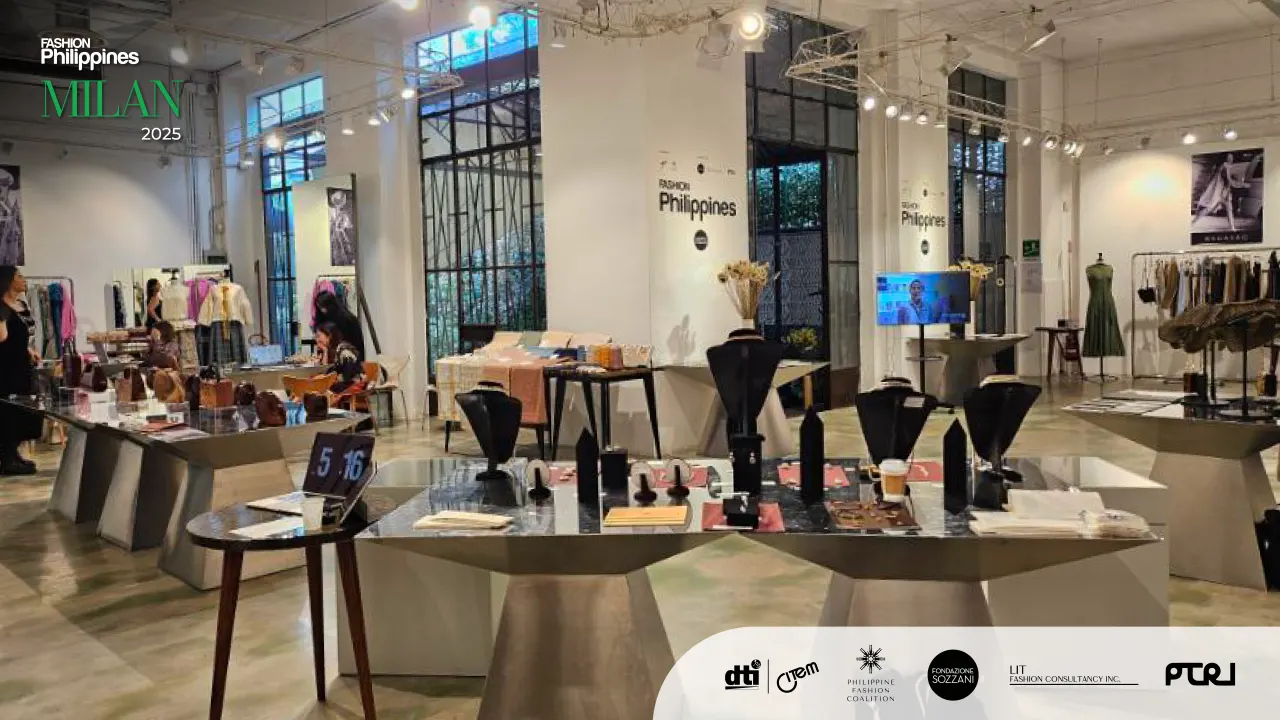
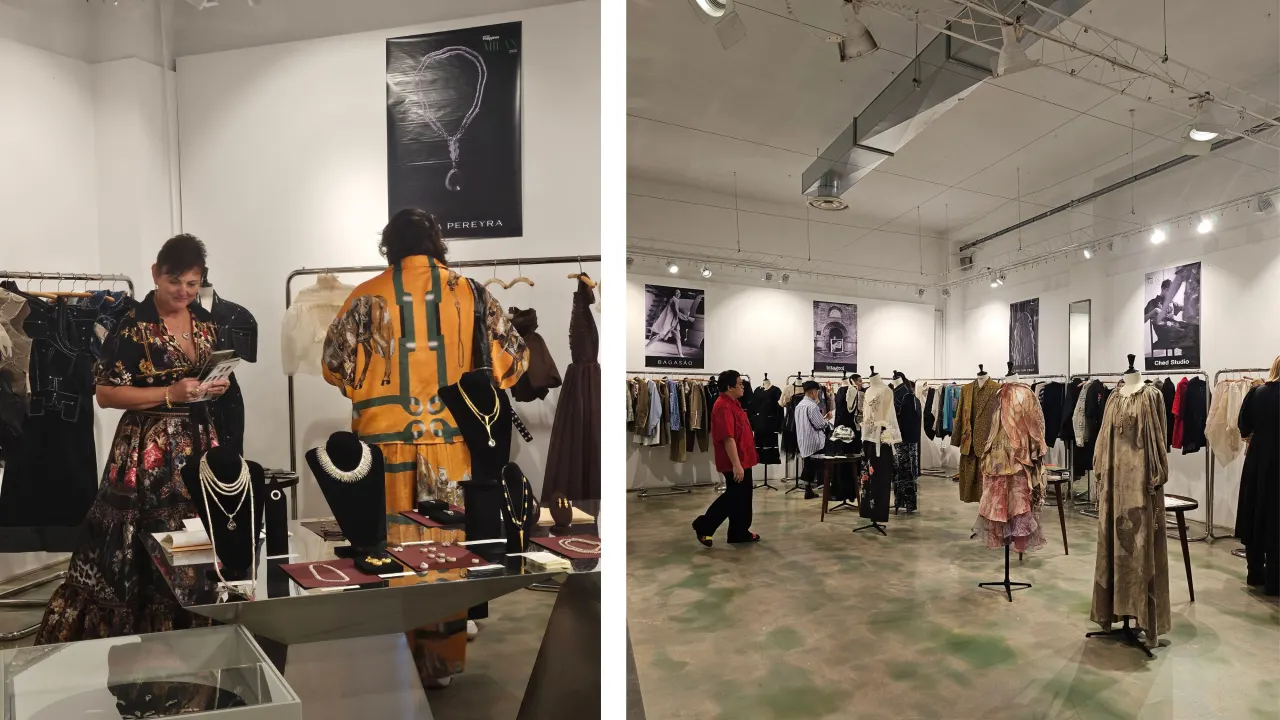
The FASHIONPhilippines in Milan 2025 exhibition at Fondazione Sozzani last September
Also integral to the positive response to the Philippine delegation’s presentation was the expertise it displayed in using Filipino Innovation Textiles (FIT) developed by the Department of Science and Technology - Philippine Textile Research Institute (DOST-PTRI). Given the growing preference for eco-conscious fashion in the European market, the handloom-woven fabrics and sustainable yarn innovations (lyocell, KAWAYARN, bamboo lyocell, and piña-cotton blends) resonated well among international buyers who are looking for more authentic product narratives that are based on the cultures from which they were conceptualized and made.
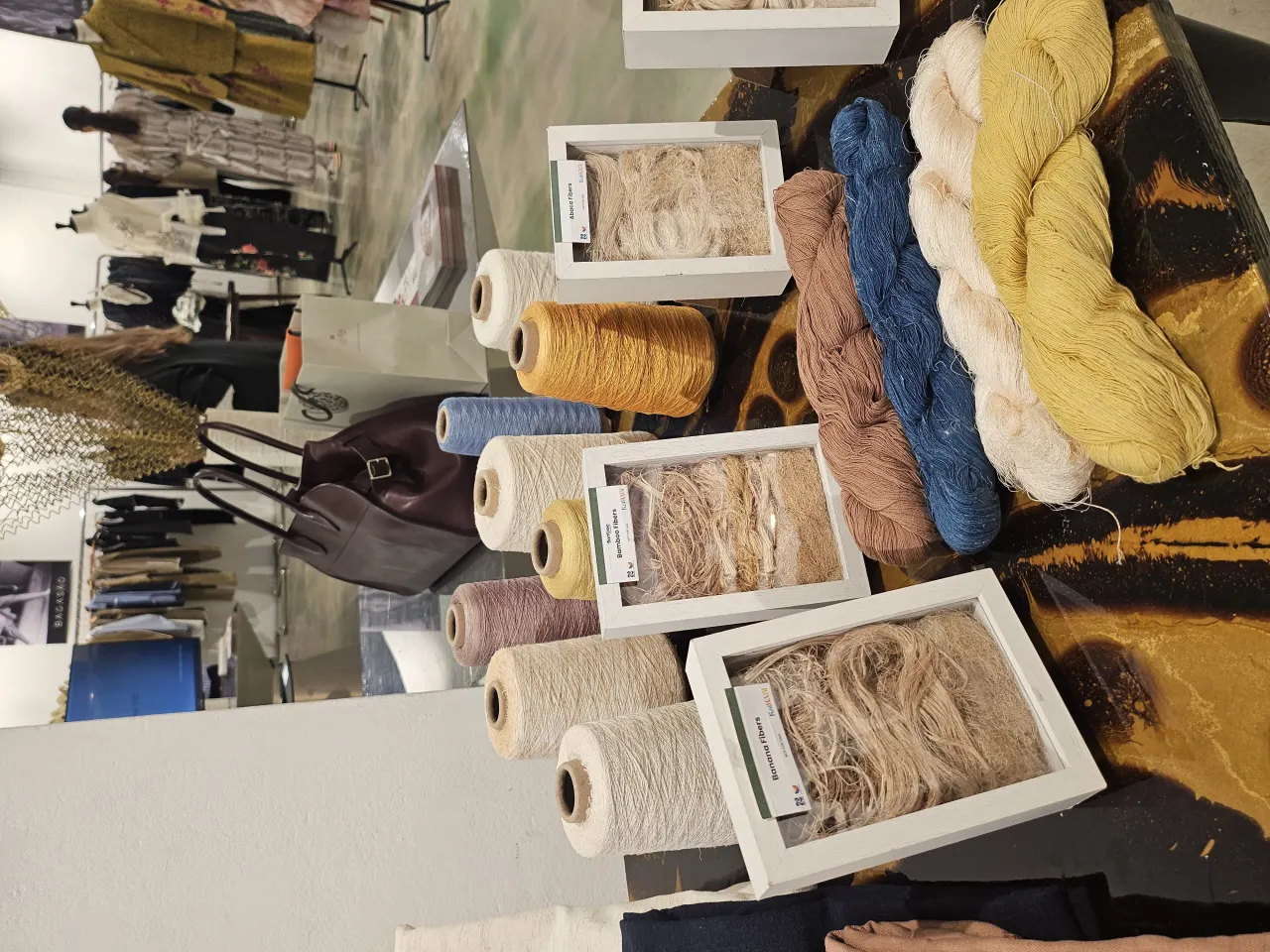
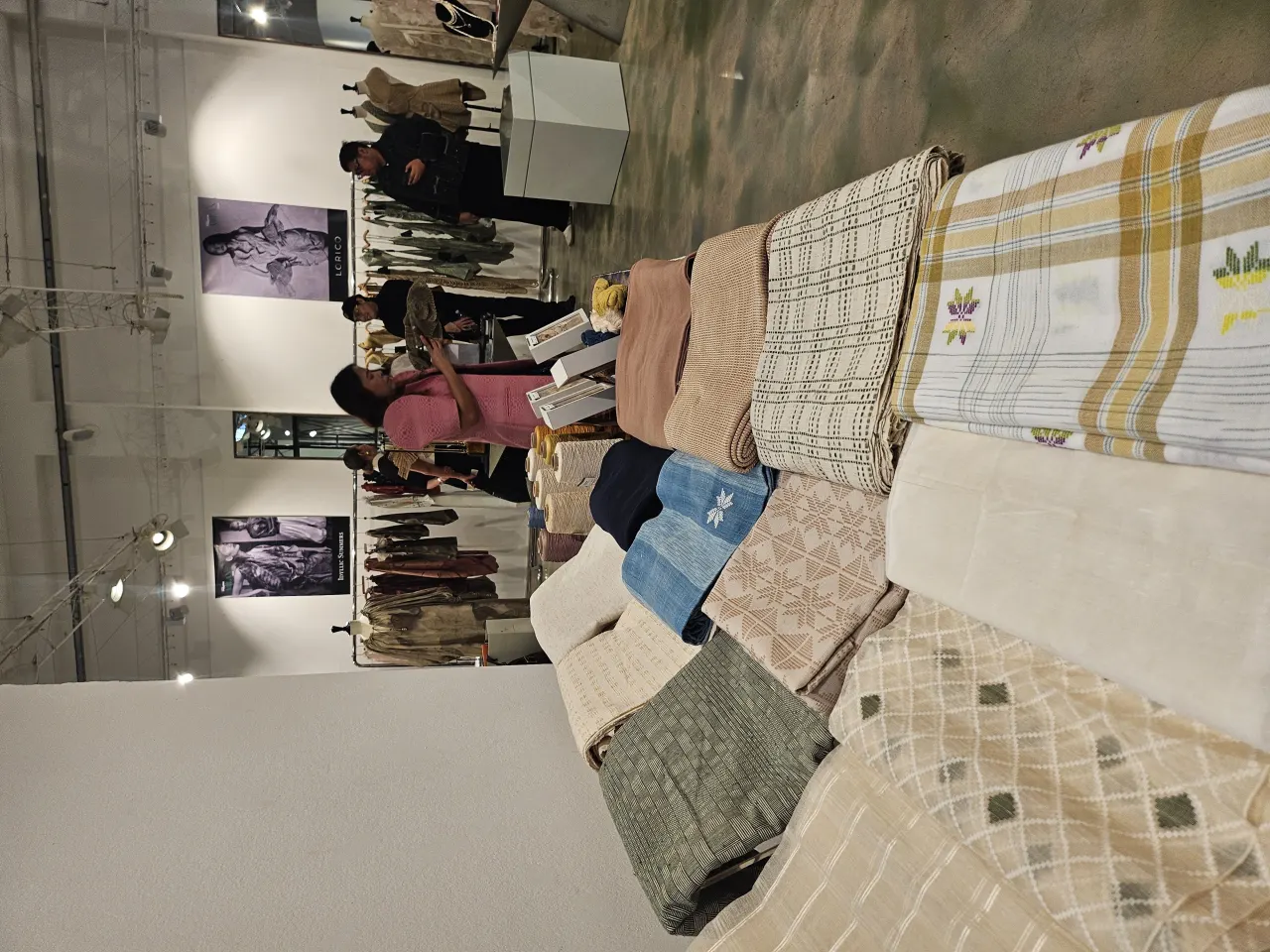
The Filipino Innovation Textiles (FIT), developed by DOST-PTRI, impressed the European guests at the FASHIONPhilippines in Milan exhibition.
In these crucial aspects, Philippine fashion already has a head start. However, there are still considerable gaps for Filipino designers to overcome before they can gain a firm foothold in the very competitive Milan fashion scene.
Not a question of creativity and skill but of business know-how
The Italian capital has a brisk fashion calendar, with two weeks dedicated to women’s fashion and two weeks allotted to menswear. Within each Milan Fashion Week, there could be more than a hundred events staged, and the resulting buzz is an economic driver for the city, thanks to visitors flying in from all over the world. The September 2025 edition, for example, yielded approximately €239 million in revenue in just one week; combined with the February 2025 edition, Milan Fashion Week generated €423 million for the year, according to the National Chamber of Italian Fashion’s estimates.
With an established system in place that keeps the industry running like clockwork, designers wanting to enter the Milan fashion scene must already have strong business structures in place, especially in terms of production capabilities, market pricing, and compliance with regulatory requirements. These remain a challenge for the Philippine fashion industry as a whole, as observed by the Italian experts.
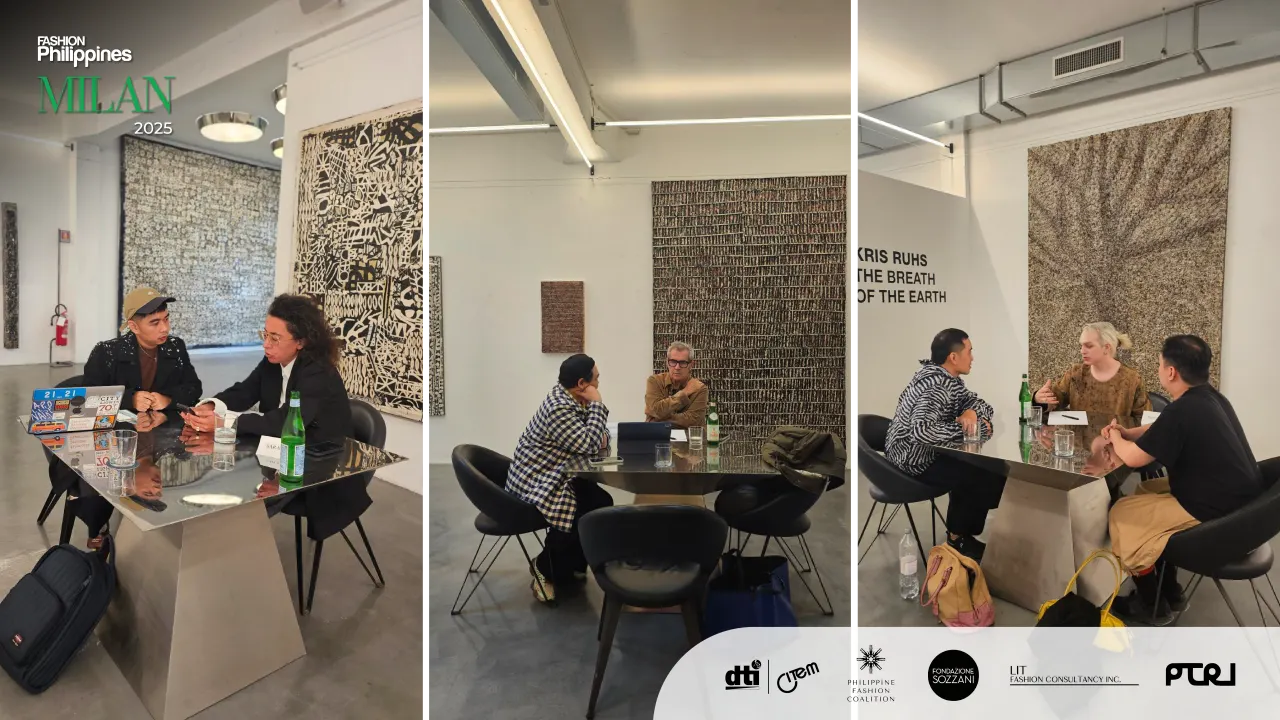
Last year’s cohort of Filipino designers received personalized critiques and guidance from their Italian mentors.
Most Filipino designers produce designs at a much slower pace, releasing only one or two collections per year. Because of this, there are inevitable gaps in their product assortment and commercial-friendly cohesion, which can only be developed through constant production and participation in fashion events. This raises the barrier even higher against gaining attention in the international market. European buyers are cautious to invest in brands with limited demonstrated potential for commercial appeal and visibility. Pereyra himself learned this while immersed in Milan, describing it as “quite a ruthless scene, with thousands of other designers [to compete with]...There is a system and a strict timeline in place.”
The need for a stronger fashion ecosystem
These industry weaknesses are symptomatic of systemic challenges, which means they require systemic solutions. Carissa Evangelista, Chairperson of the Philippine Fashion Council (PFC), sees collaborative efforts from multiple stakeholders as crucial in strengthening the local fashion industry so it can start making strides in the international market. “Partnerships are the way to synergize each industry player’s strengths, so we don’t just have great designers; we should also nourish workers who value the work, strengthen our textile development industry, collaborate with the publishing and PR industries, develop government policies that cater to domestic buyers, and more,” she states. Even as Filipino designers take it upon themselves to study their branding inside and out and develop sharper business acumen, other players must also step up to foster a healthier fashion ecosystem where individual improvements get nourished enough to support industry-wide growth.
Since FIT was a hit at the FASHIONPhilippines in Milan exhibition, the country will also do well to invest in local fabric and textile development. “There is great interest internationally not just in our materials, but also in the stories behind them,” PTRI’s Research & Development Officer-in-Charge Jenneli Caya says. With adequate support, Filipino manufacturers can scale the sustainable production of fabrics that draw on local materials and culture, thus creating a textile industry that will be a bigger contributor to the Philippines’ economy and global standing—similar to what Milan did for Italy. “The hope is that the study of local fabrics and textile development becomes democratized so we could better identify and fill in the gaps in developing and producing local fabric.”
Of course, Filipino designers can also do their part by continuously developing both their craft and their design business. A program like FASHIONPhilippines in Milan, which returns this year, is a fantastic platform to get firsthand experience in bridging that gap between running a local enterprise and stepping into the global scene. From finessing their branding through one-on-one sessions with design and business experts to participating in a curated exhibit during the September edition of Milan Fashion Week 2026, designers get a front seat to learning the tools, tricks, and trade of building their profile in the European fashion market. Even as they wait for industry-wide changes to happen, Filipino talents can start chipping away at the walls keeping them from gaining global recognition, thanks to what the Milan fashion scene can teach them.
***
Banner image courtesy of Unsplash.
Are you a Filipino designer ready to take the next step to become an international brand? Apply now to be part of FASHIONPhilippines in Milan 2026. Learn more about it here.
FASHIONPhilippines is the country’s banner program for marketing local fashion enterprises internationally. With CITEM at the helm, the program has brought local brands to top international trade shows and exhibitions, including the Centrestage trade show in Hong Kong and the Asia Pacific Textile Expo (APTExpo) in Singapore. FASHIONPhilippines in Milan is co-presented by the Philippine Textile Research Institute (PTRI) and the Philippine Consulate General in Milan. It is implemented with the support of the Philippine Fashion Coalition (PFC) and LIT Fashion Consultancy.
CITEM also invites you to the upcoming Manila FAME: Bloom at the World Trade Center Metro Manila in Pasay City, Philippines, on October 15-17, 2026. To learn more, go to https://fameplus.com/manila_fame.