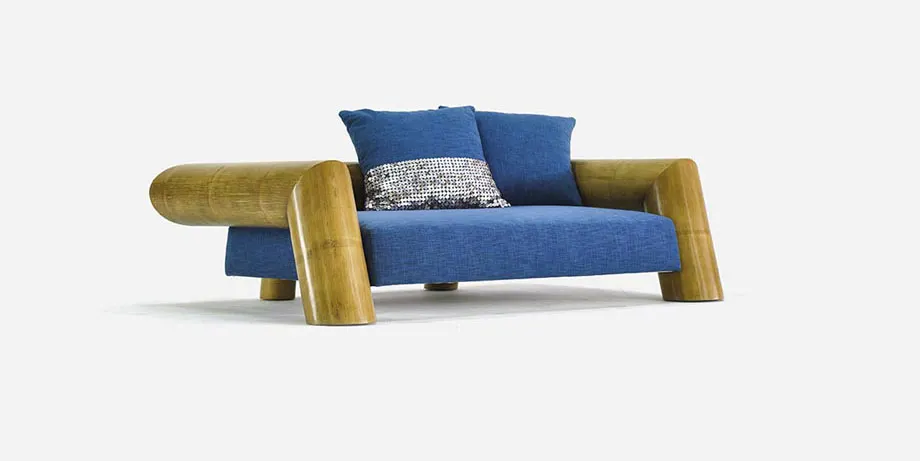
In Feng Shui, bamboo symbolizes resilience, longevity, and prosperity.
By Mabuhay Studio
In Feng Shui, bamboo symbolizes resilience, longevity, and prosperity. These meanings come from its ability to thrive in harsh conditions, bending with pressure instead of breaking. And honestly, those are not just traits you want to carry through life, but ones you want to reflect in your home as well.
Maricen Jalandoni, president of Base Bahay Foundation, which advocates for resilient and eco-friendly housing, underscored bamboo’s importance not only as a design element but as a sustainable building material. She highlights its role in reducing the environmental impact of disasters, especially in areas prone to typhoons and earthquakes.
1. Bamboo’s durability can last you a lifetime
Since time immemorial, bamboo has played a vital role in Asian architecture, particularly in housing. Known for its strength and flexibility, it has long been used as a structural material for building homes, most notably the traditional Filipino bahay kubo, where bamboo often forms the foundation and walls.
Over time, its use has naturally evolved beyond construction to include homeware and furniture, as people began to recognize its durability and versatility. Its lifespan varies depending on its species and method of treatment. When properly treated and maintained, bamboo can last for decades, up to 70 years.
Locally, several bamboo species are widely known and used, including kawayan tinik, bayog, and buho. Because of their resilience and structural integrity, these varieties have found a place not only in architecture but also in modern interiors. A standout example is the Bamboo 3 Seater Sofa from OMO Furniture, which is crafted from oversized, structural bamboo poles. The golden tones of the polished bamboo create a tactile contrast against the deep charcoal upholstery.
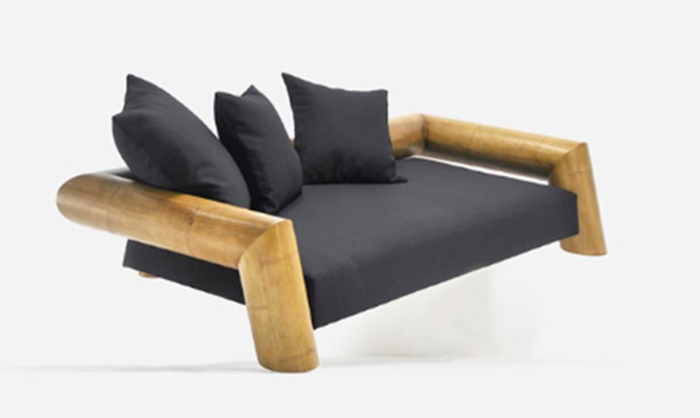
Bamboo 3 seater sofa by OMO Furniture
Bamboo has also become a popular material for lighting, offering a natural way to elevate interior spaces. Its organic texture softens a room while adding depth and character. The Floor Lamp Bamboo from Indigenous showcases this beautifully, featuring a sturdy bamboo base paired with white abaca and cogon grass–based handmade paper.
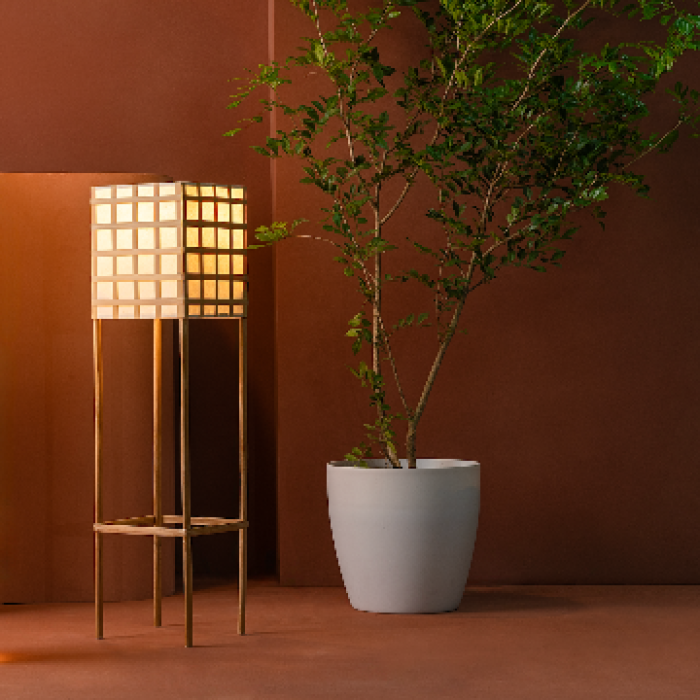
Floor Lamp Bamboo by INDIGENOUS
2. Natural and does not contain any chemicals
One of the biggest benefits of using sustainable and eco-friendly materials like bamboo is that they are natural, non-toxic, and safe for daily use. Bamboo can also grow without the need for harmful chemicals such as pesticides, making it a truly sustainable choice for both your home and the environment.
Because of these qualities, more brands are incorporating bamboo into everyday living, like Pure Culture’s organic bamboo cotton rounds, for example. Designed with a zero-waste approach, they provide a safe and reusable alternative to single-use cotton balls for skincare, which can harm both your skin and the planet.
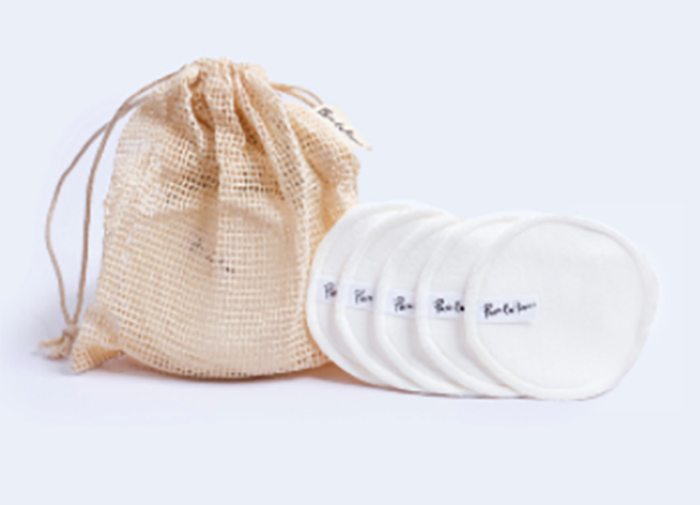
Organic Bamboo Cotton Rounds by Pure Culture
The Lakbawayan Bambootensils from The Bamboo Company offer another smart, sustainable choice. Crafted entirely from bamboo, these utensils function just like stainless steel ones but are lighter, eco-friendly, and fully biodegradable.
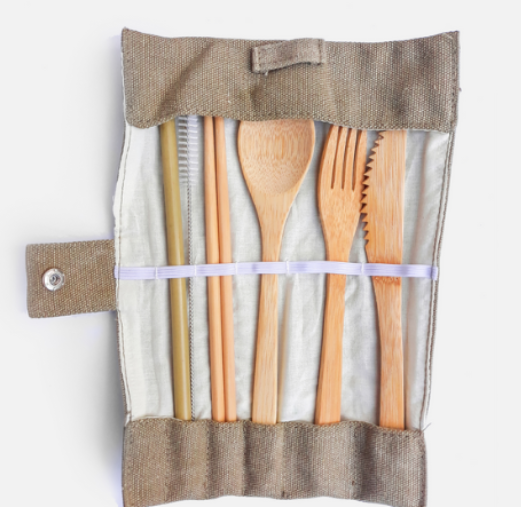
Lakbawayan bambootensils by The Bamboo Company
3. Versatile and can adapt to different environments (and aesthetics)
Bamboo is living up to its reputation as a strong and resilient plant that can withstand even the harshest environments. According to the Climate Change Commission, it releases “35% more oxygen than trees,” helping improve air quality, and it “sequesters up to 400% more carbon per unit area,” making it a powerful ally in the fight against climate change.
Beyond its environmental impact, bamboo is significantly used for its adaptability in aesthetics, too. It is a popular choice for furniture and interior design, such as chairs, cabinetry, and decorative wall accents. Its natural grain, light tone, and organic texture allow it to blend seamlessly into a variety of styles, from minimalist and Scandinavian-inspired spaces to more tropical, rustic, or contemporary interiors.
Other Related Articles: