Filipino manufacturers may just find an audience in a fast-growing market looking for sustainable luxury
By September Grace Mahino
The luxury furniture market in the Middle East and North Africa (MENA) region is projected to grow up to US$401.7 million by 2029, boosted by the exponential growth of its commercial real-estate industry. Even bigger is the forecasted boom of its hospitality market, which has been recovering vigorously from a pandemic-triggered slump and is now poised to reach an estimated value of US$487 billion by 2032. It is thus an opportune time for the Philippines to position itself in MENA as a viable source of top-notch products from the home, fashion, and lifestyle sectors. That way, Filipino enterprises could enjoy a piece of the region’s billion-dollar pie.
The country actually used to have a considerable presence in the Gulf Region, thanks to its previously regular participation in INDEX Dubai through the organization efforts of the Philippines’ export promotion agency, the Center for International Trade Expositions and Missions (CITEM). The annual interior design and architecture trade fair has become one of the MENA region’s design industry pillars since its establishment in 1990, and it is recognized as one of the largest international events for showcasing cutting-edge innovations and setting global trends. Up until 2011, it routinely welcomed delegations from the Philippines, which helped cement the country’s international reputation as a creative hub for exceptionally designed and produced pieces. However, the Philippines took a lengthy break from joining and returned only in 2018 and 2019. It then took another pause due to the pandemic.
A successful re-entry last year marked the Philippines’ renewed efforts to penetrate the evolving MENA market. And now, with INDEX Dubai’s 36th edition set to happen on June 2 to 4, 2026, CITEM is already doing the groundwork of organizing a delegation under its banner program DESIGNPhilippines. The goal is for the country to make an even bigger impression on potential clients and investors from the Gulf Region who want to tap companies that can fulfill the demands of a rapidly growing market.
Gold may be king, but it’s not the only sought-after natural material
The mere mention of the Middle East can make anyone immediately think of “gold” and “oil,” but there is more to MENA’s vibrant design scene than these materials that symbolize power and wealth. This is especially because the region is generally recognized to include nearly 20 countries that are a diverse mix of oil-rich and lower-income states: Algeria, Bahrain, Egypt, Iran, Iraq, Jordan, Kuwait, Lebanon, Libya, Morocco, Oman, Palestine, Qatar, Saudi Arabia, Syria, Tunisia, the United Arab Emirates, and Yemen. Even as the increasing urbanization in the region and its consumers’ rising disposable income further hone the market’s taste for opulence, it’s no longer about luxury for the sake of luxury alone.
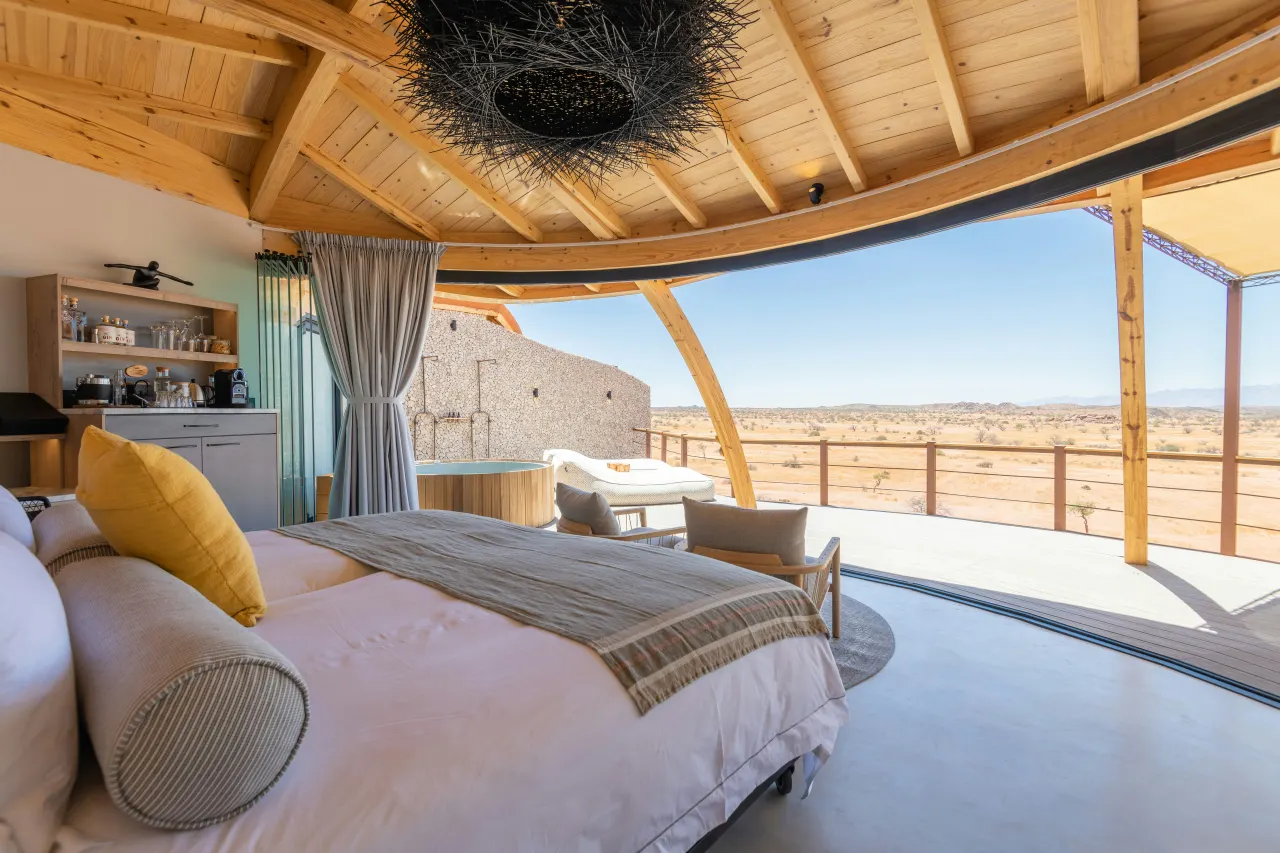
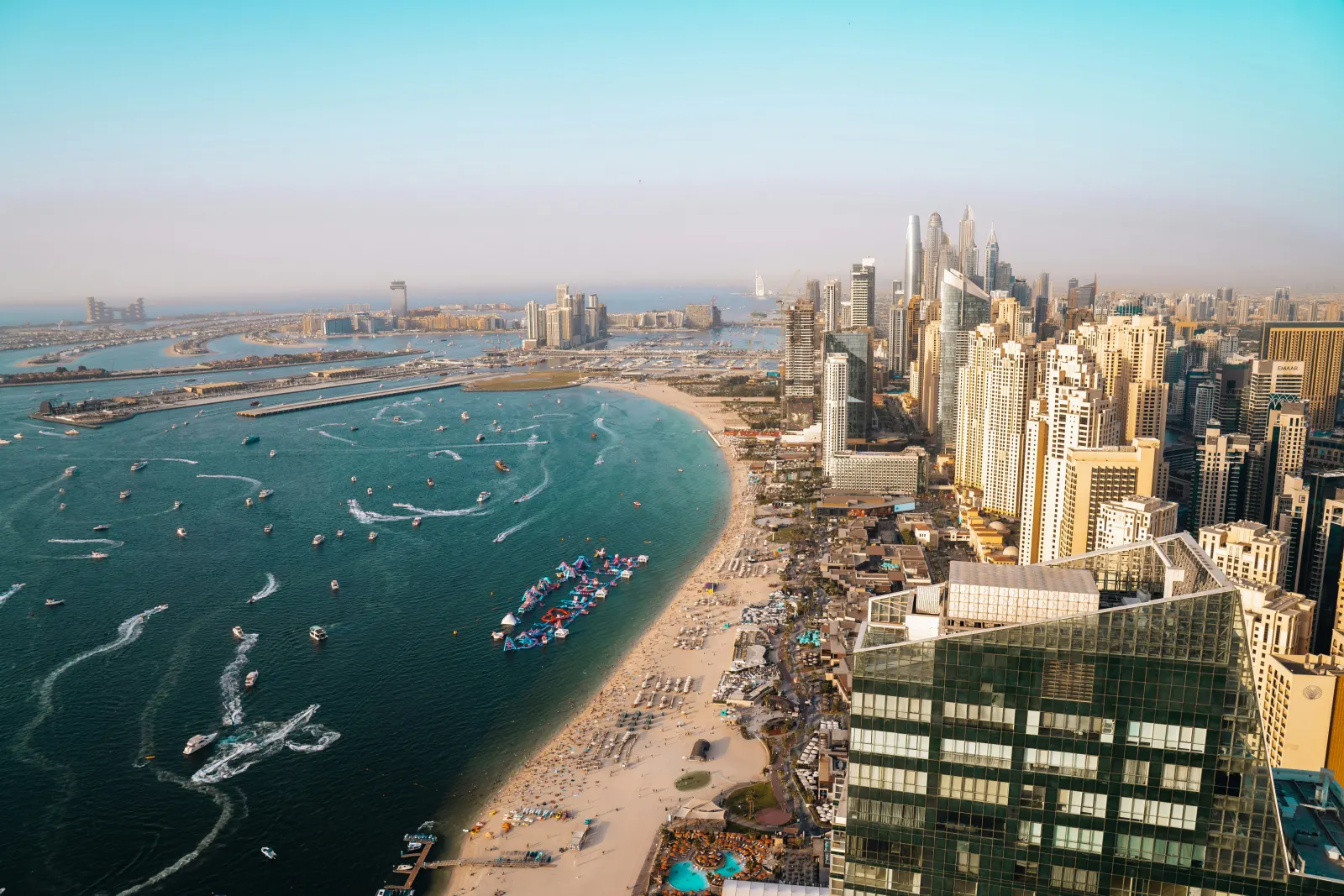
With MENA expected to feel some of the most extreme impacts of climate change, the region is consciously working on integrating sustainability into its various industries, including the hospitality and real-estate sectors. Photo from Unsplash.
Given the region’s arid landscape and vulnerability to the effects of climate change, architects, interior designers, and consumers alike have begun looking for more eco-conscious options that provide not just aesthetics but also sustainable comfort and wellness. This is in line with the current popularity of biophilic design, which nurtures the connection between people and the natural world. In fact, the Gulf Cooperation Council, whose member nations include Bahrain, Kuwait, Oman, Qatar, Saudi Arabia, and the United Arab Emirates, has expressed its continued commitment to developing climate resilience through sustainable measures, applied not just to backend and operational systems like renewable energy, water, and waste management but also customer-facing services. That means top-notch and technically innovative yet also responsibly designed and architecturally sound solutions for the hospitality and residential sectors, with wood, leather, and metal as some of the most in-demand materials.
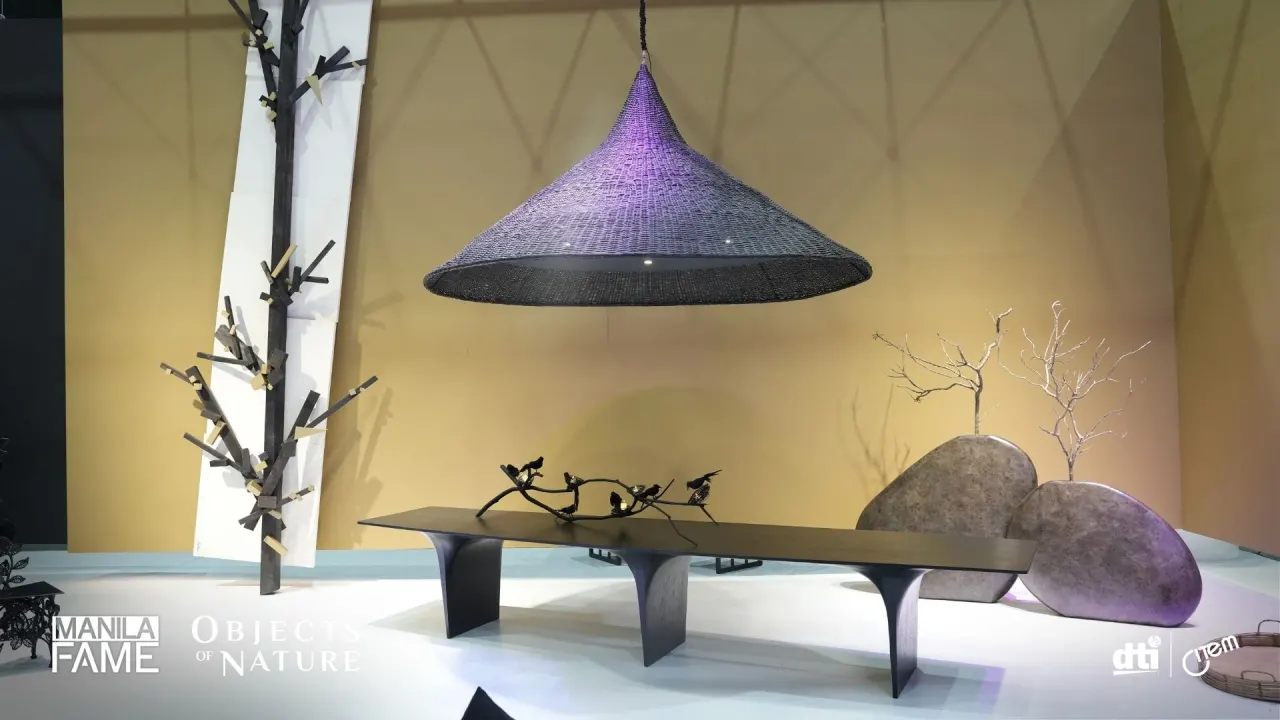
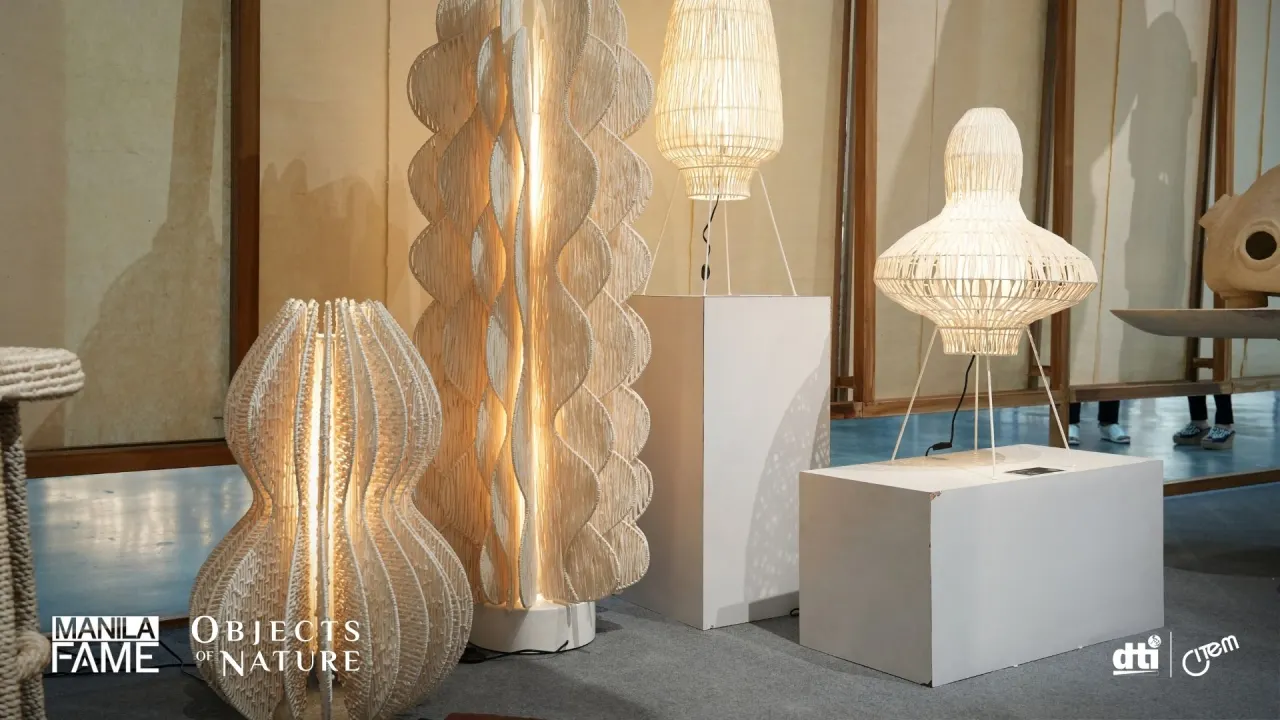
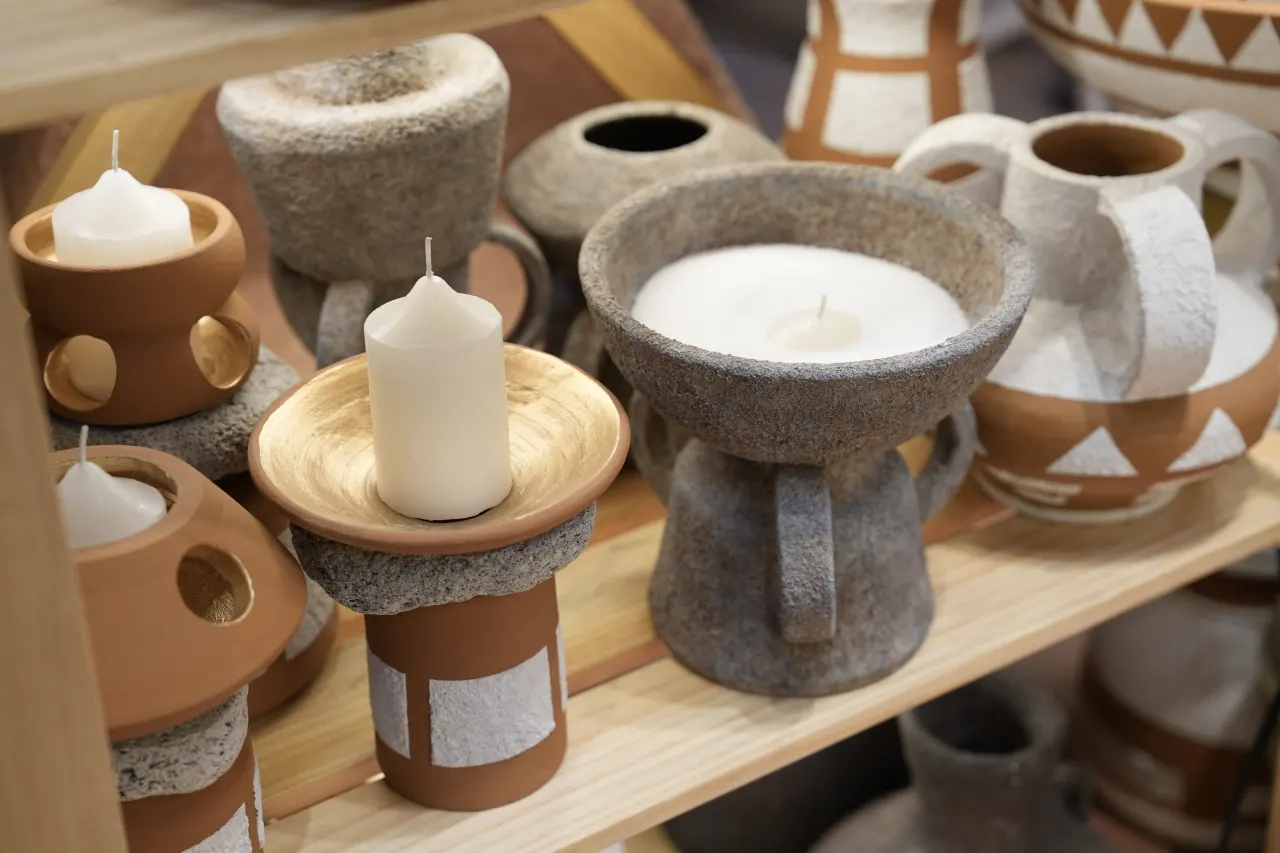
Filipino artisans’ mastery over the use of natural materials like wood, stone, and rattan can produce the kind of furnishings and decor that MENA stakeholders are looking for.
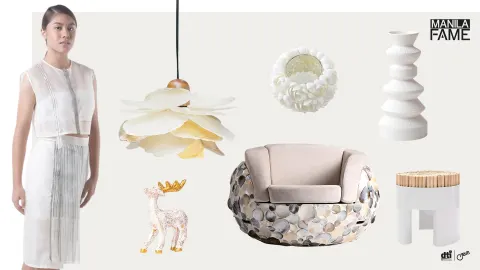
This is a particular gap that the local furniture industry, as well as the budding components scene, can fill. As demonstrated by the successful 73rd edition of Manila FAME, two of the Filipino manufacturers’ strengths are working with materials directly sourced from nature and transforming them into design pieces and fittings that bring the beauty of the outdoors into any space. Plenty of natural materials used by local enterprises also provide energy-efficient thermal regulation indoors, whether it is through insulation and moisture regulation (wood), heat absorption (stone and natural minerals), and thermal comfort (bamboo, hemp, and natural fibers). By seamlessly blending form with function, Filipino artisans produce items that perform what they were intended to do while also serving as visual and textural balm—a comfort to those who want a reprieve from MENA’s extreme temperature, especially during summer.
Only artisanal mastery can produce heritage-based details
With the mix of cultures defining the region, MENA’s design scene also doesn’t lack in centuries-old craftsmanship. Islamic influences—towering arches, flowing calligraphy, intricate mosaics—can be seen in the region’s architecture and interiors, as well as celestial details that speak of how sacred heavenly bodies are to Arab culture. All these traditional elements are combined with sleeker and contemporary motifs, resulting in structures and spaces that defy easy classification whenever MENA design is discussed.
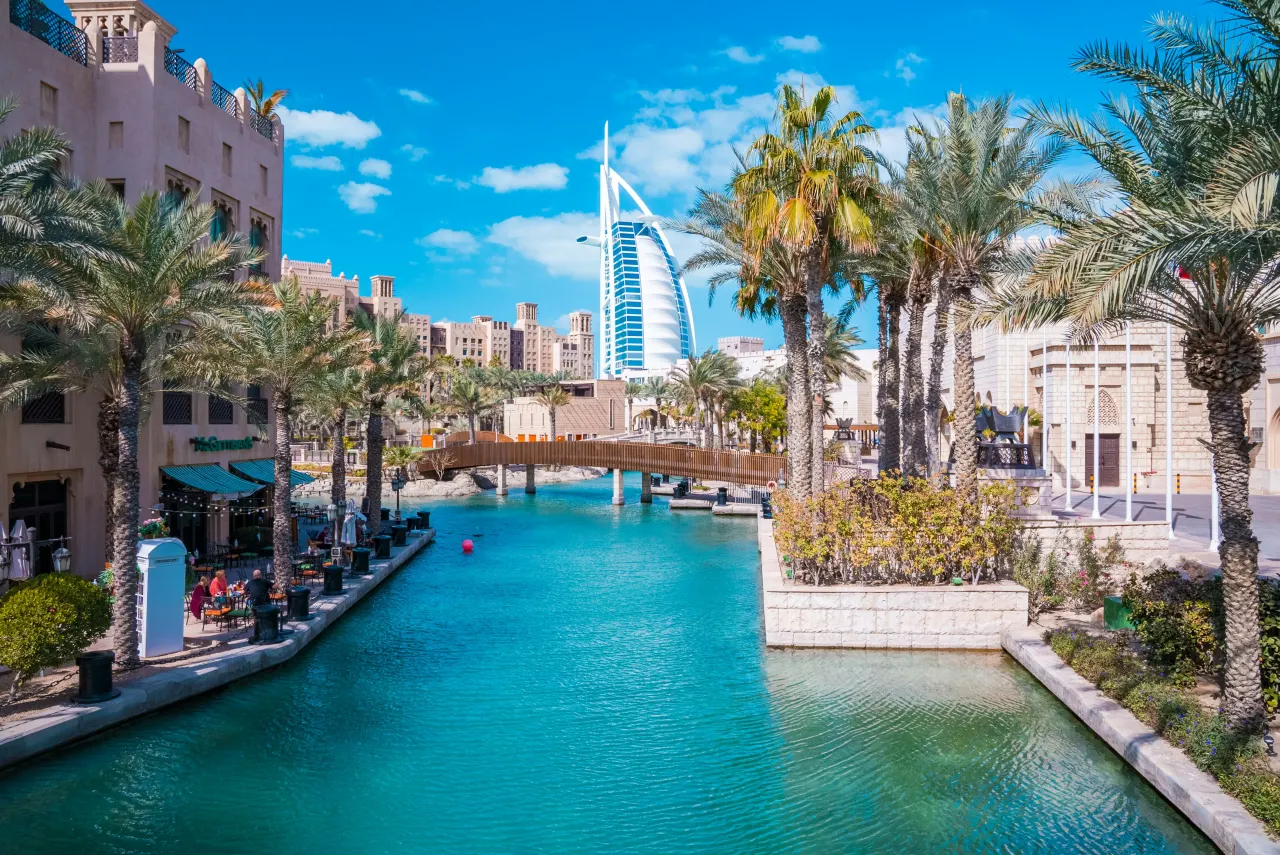
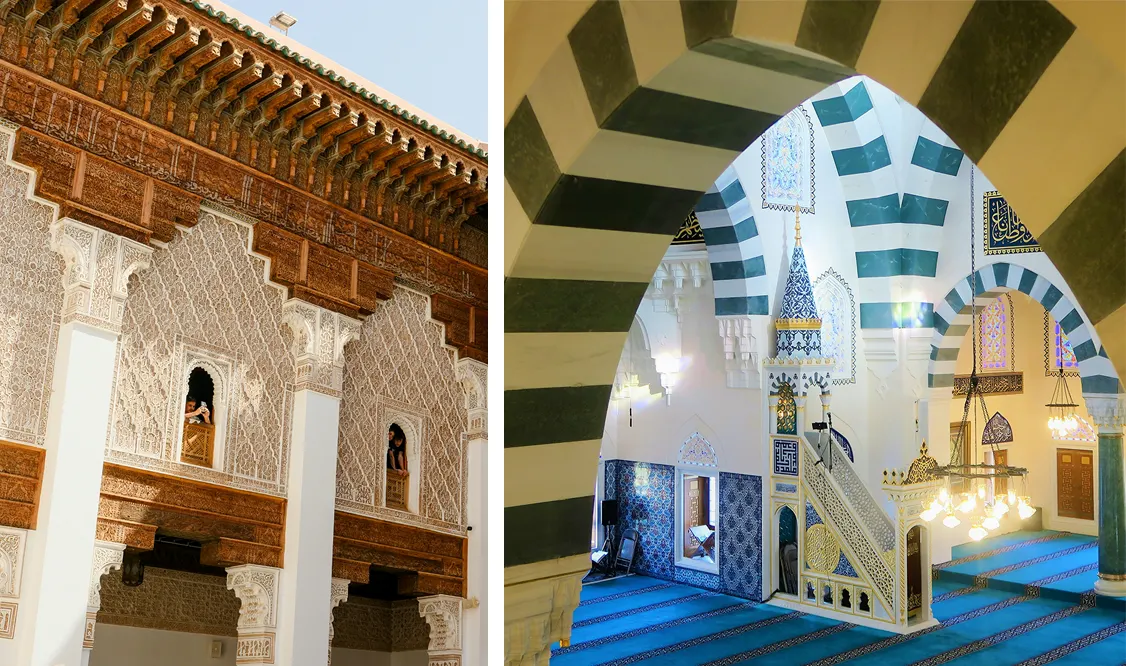
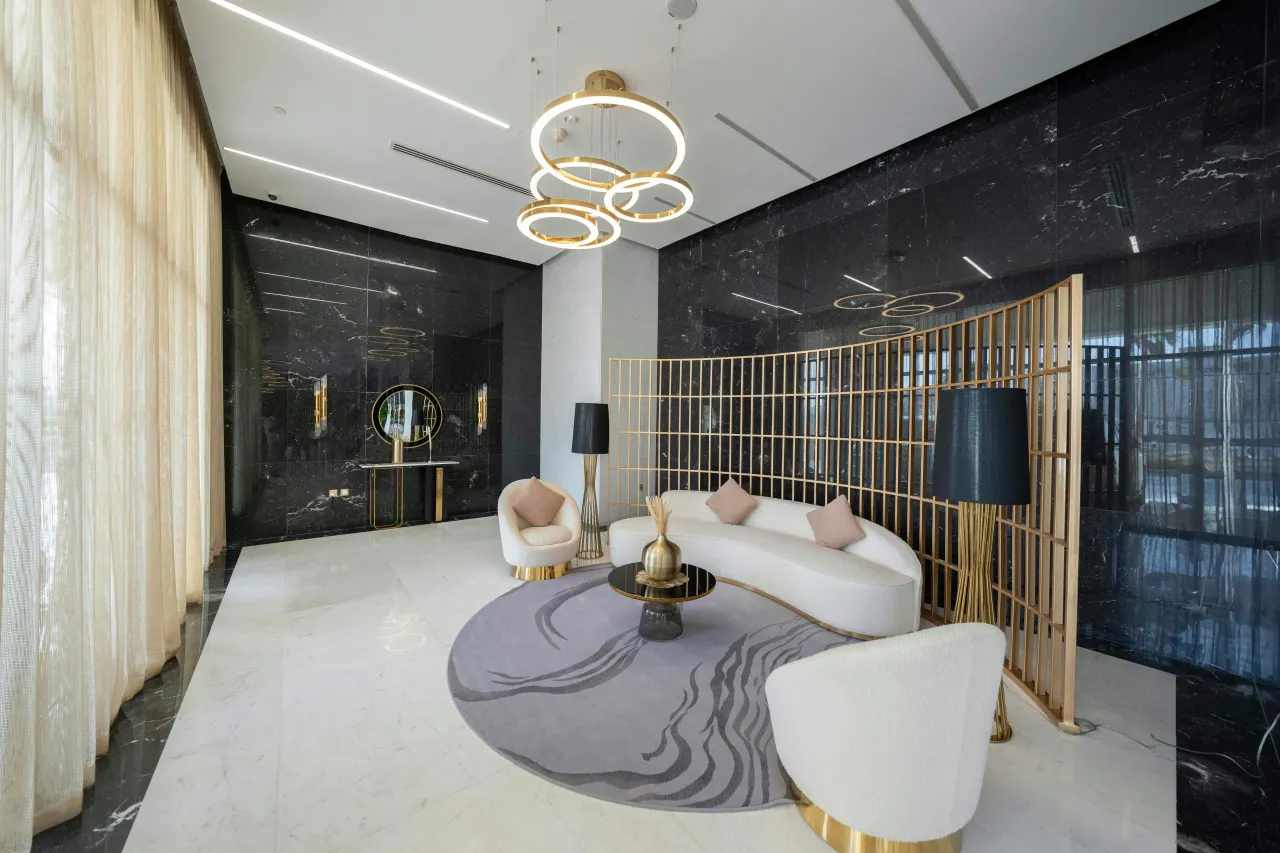
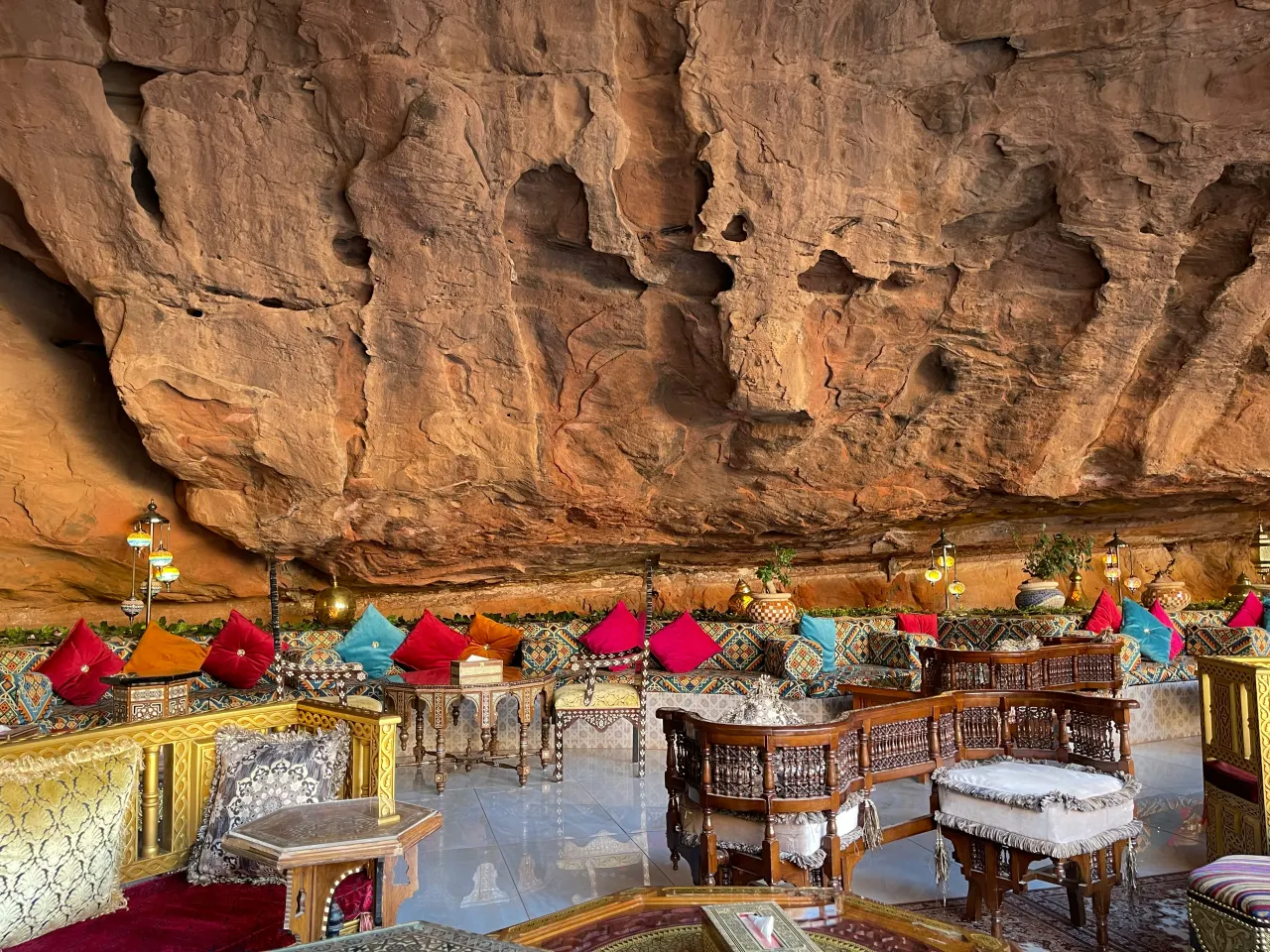
With more than 20 countries comprising the region, MENA’s design landscape is vibrant and dynamic, incorporating both traditional cultural motifs with sleeker, more contemporary forms. Photos from Unsplash.
It wouldn’t be difficult for Filipino artisans to understand the core of the region’s dynamic aesthetic, though. With the Philippines similarly a blend of indigenous, Eastern, Western, and Islamic influences, local craftsmen have an innate understanding of how cultural details infuse furniture pieces and décor with soul.
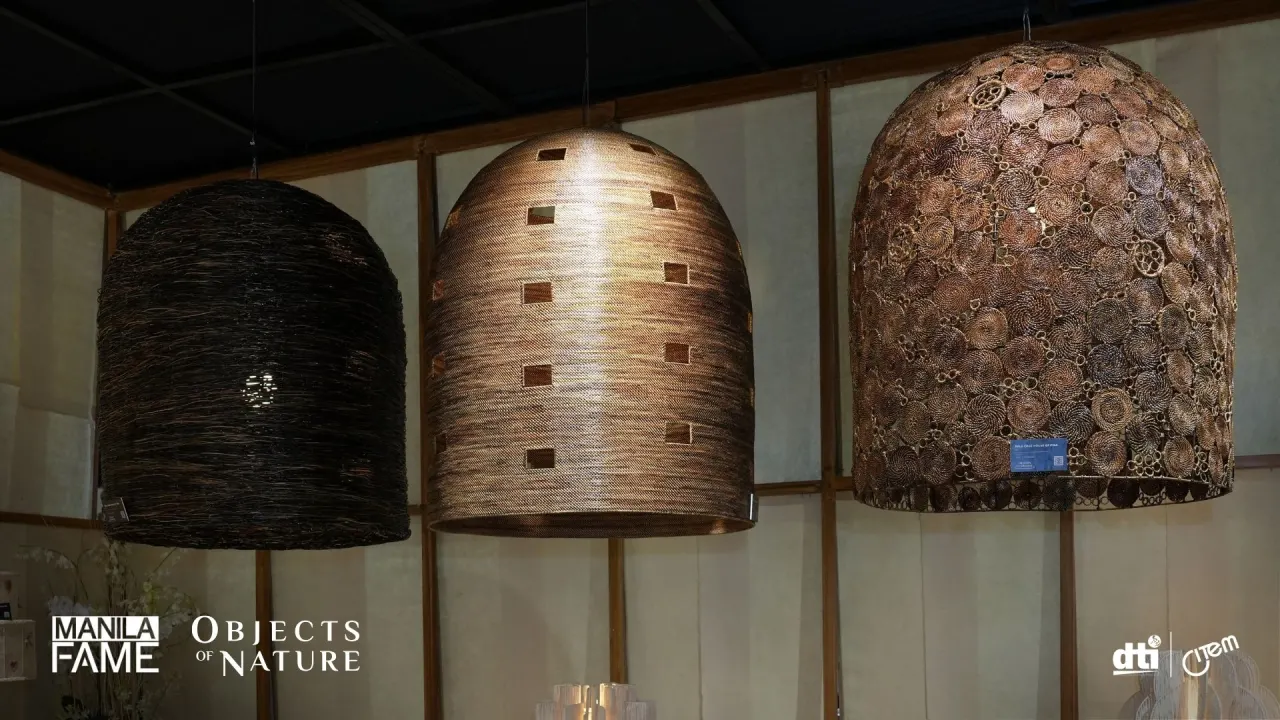
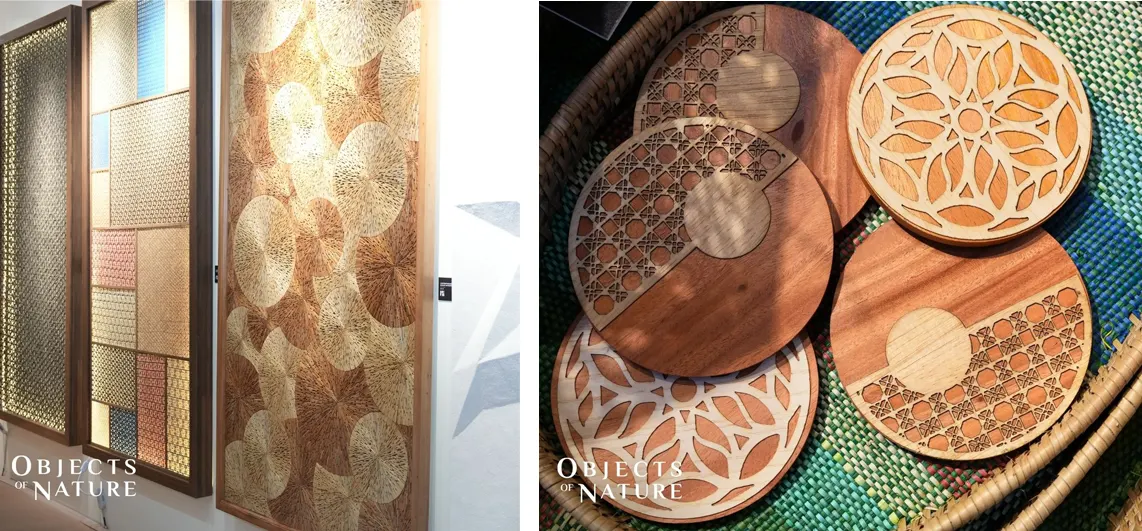
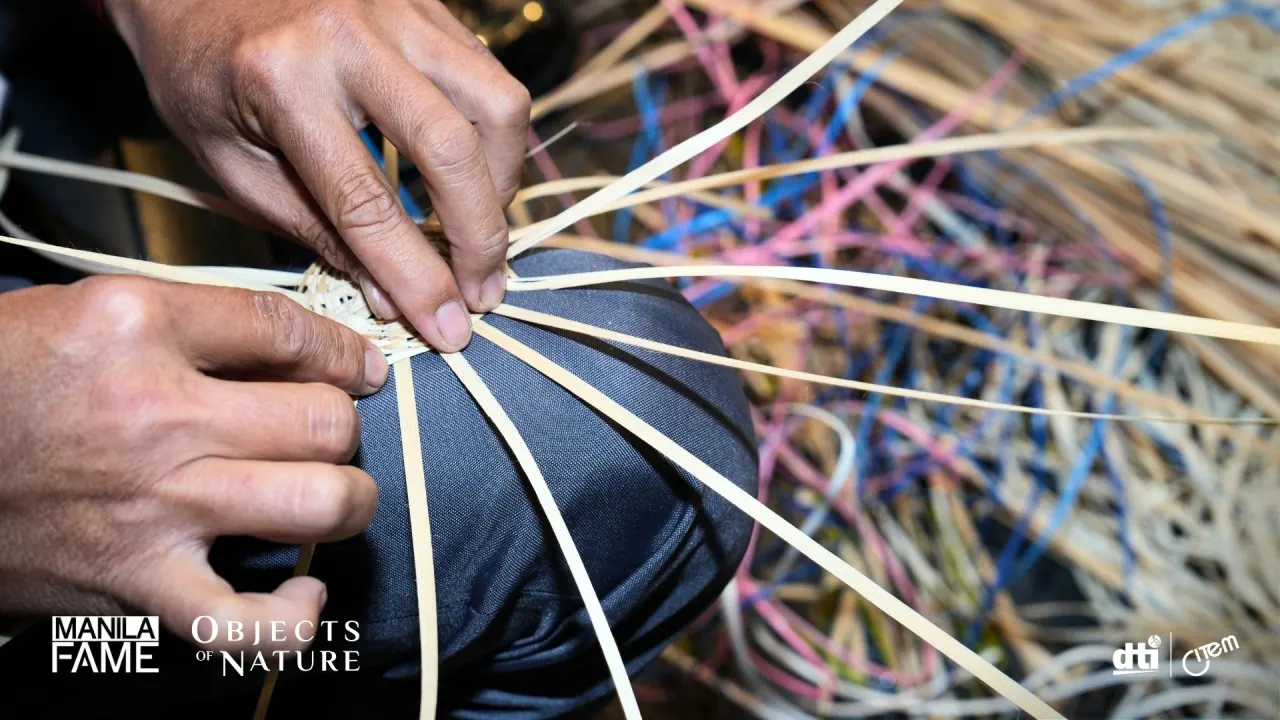
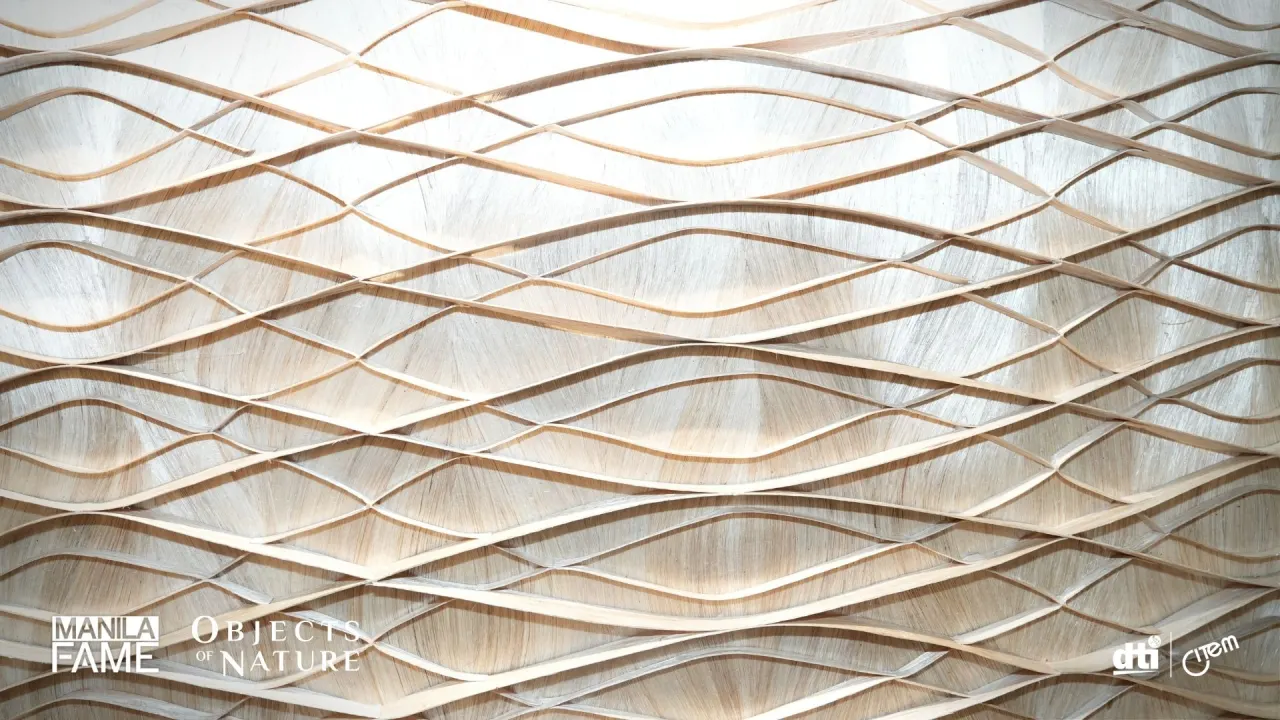
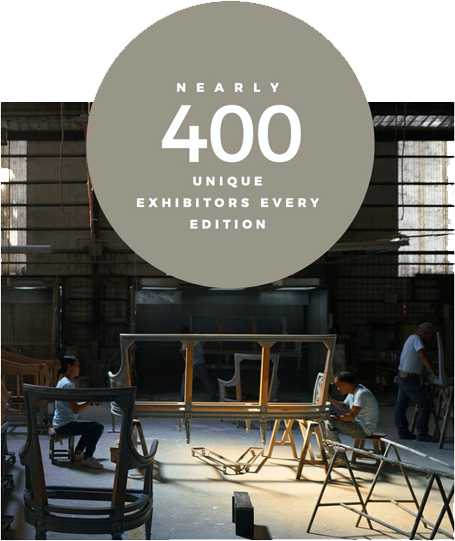
Filipino manufacturers are internationally recognized for the excellent handcrafted quality of their products, which feature designs and details inspired by nature and cultural heritage.
They’re also more than equipped to create bespoke furnishings. The clientele that Filipino exporters can find in MENA has discerning tastes, with the financial resources to match. While the Philippine furniture industry may not be able to compete yet in the region’s demand for tech-infused luxury, it can definitely hold its own when it comes to customizing designs based on specifications, resulting in one-off handmade pieces that can’t be found anywhere else. That is a kind of opulence even the most cosmopolitan client can appreciate.
A deeper dive into an expanding luxury market
Of course, gaining a foothold in a competitive new market requires more than just marketing excellent products. A more nuanced understanding of the region’s specific design needs is equally helpful in rebuilding the Philippines’ presence in MENA.
That is why DESIGNPhilippines is also organizing an Outbound Business Mission (OBM) in Saudi Arabia on June 6 to 8, soon after the conclusion of INDEX Dubai 2026. Intended to help participating Filipino exporters, the OBM will set up business meetings with distributors, developers, and project stakeholders from Saudi Arabia’s major cities. It will also take exporters on market-sensing activities so they can spot emerging trends in the region and harness data that will help them develop new strategies for expanding into the global market.
The hope is that after nearly a decade of stalled efforts to re-engage with MENA, through these initiatives, the Philippines can finally hit its stride once again and prove its worth to an exciting new market as a premier sourcing hub for excellent design.
***
Ready to tap into the Gulf Region’s exciting high-end market? Join DESIGNPhilippines at INDEX Dubai 2026 and be part of its Outbound Business Mission in Saudi Arabia this June. Click here to register and email [email protected] for more details.